

Introduction
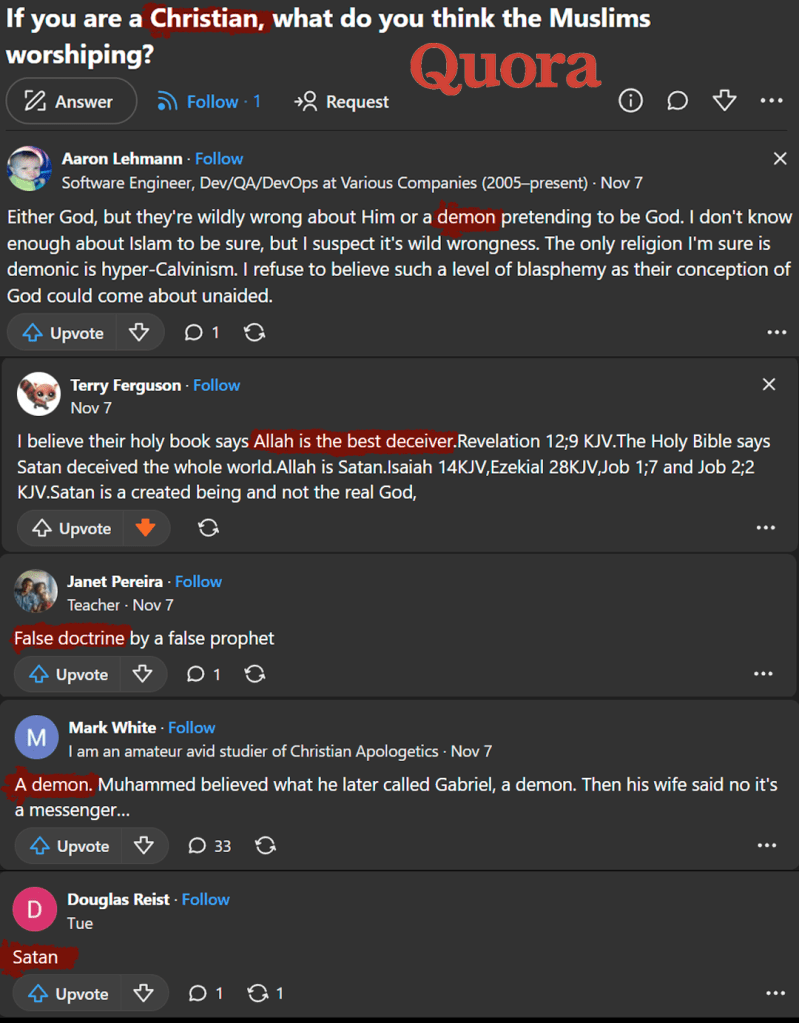
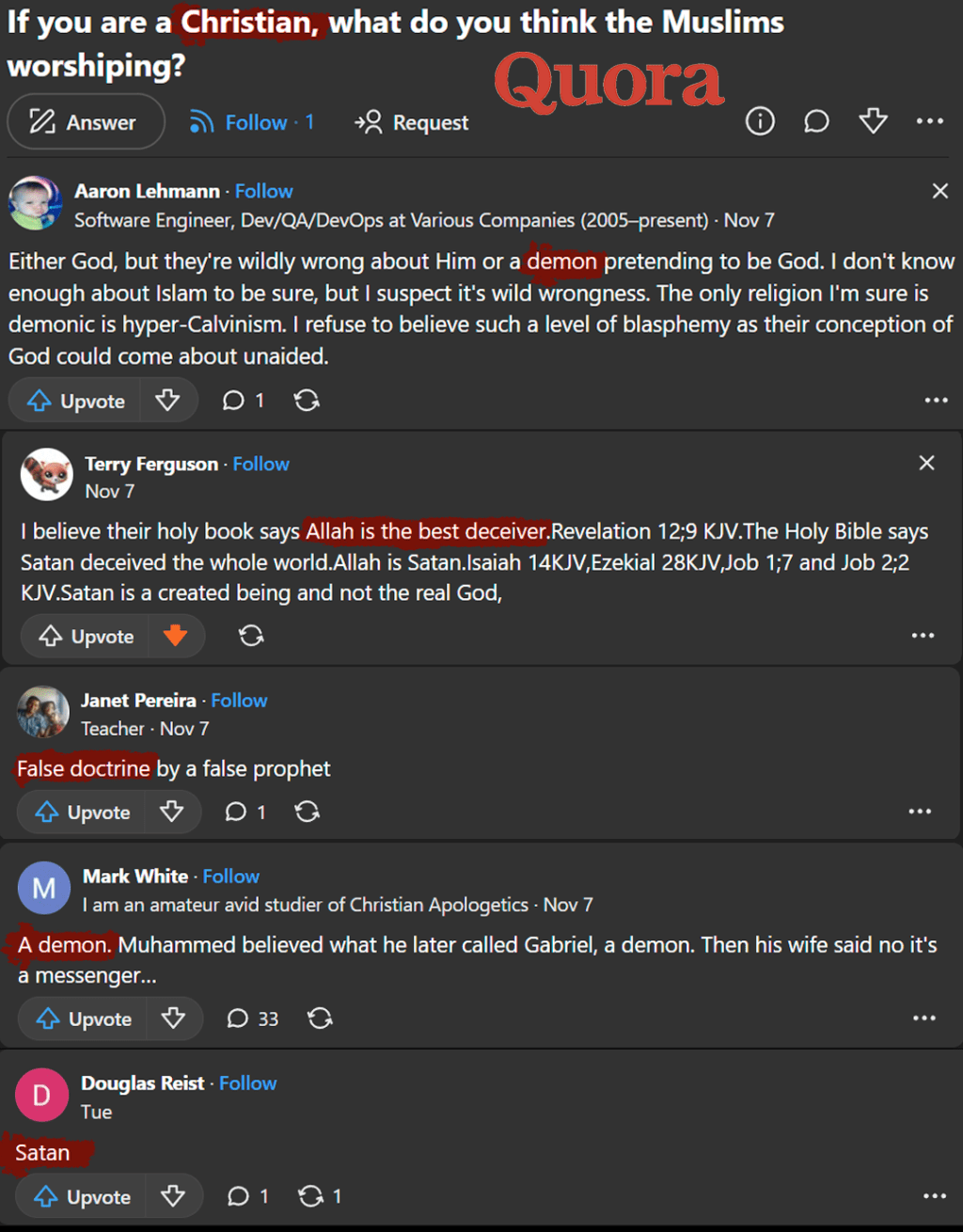
One of the baseless accusations sometimes made by Christian missionaries against Muslims is that we worship Satan. Such an allegation is not only untrue but also contradicts the teachings and essence of Islam, which is rooted in the worship of Allah, the One and Only God. Let us explore how this accusation is entirely unfounded.
What Kind of ‘Satan’ Commands Goodness and Justice
Consider this simple yet profound question: What kind of Satan teaches humanity to do good and act justly? In Islam, Allah commands justice, compassion, and goodness, as evident in the following verse:
Surah An-Nisa 4:36
“Worship Allah and associate nothing with Him, and to parents do good, and to relatives, orphans, the needy, the near neighbor, the neighbor farther away, the companion at your side, the traveler, and those whom your right hands possess. Indeed, Allah does not like those who are self-deluding and boastful.”
These teachings clearly promote goodness and social responsibility, which directly contradict the nature of Satan. If Islamic teachings guide its followers to practice virtue, how could they possibly be associated with the worship of Satan?
Where Did This Idea Come From?
A common claim is that the idea of Muslims worshipping Satan arose from the fear supposedly experienced by Prophet Muhammad (peace be upon him) during his first encounter with the Angel Jibreel. Critics argue that his fear indicates an evil origin.
However, this reasoning is utterly illogical and laughable.
Fear Does Not Indicate Evil Origin
Mary and Zechariah also felt fear in the Bible. When the angel appeared to Mary to inform her that she would bear a child, she felt anxious and afraid. Similarly, Zechariah was struck with fear when visited by an angel announcing the birth of John the Baptist. The Bible states that “he was startled and gripped with fear.”
By this logic, would anyone claim that Mary or Zechariah encountered Satan? Clearly, fear is a natural reaction when humans face supernatural events, even if they are divine in nature.
If someone insists that fear during an encounter with an extraordinary being indicates a meeting with Satan or an evil entity, then by the same logic, one could argue that the child conceived by Mary was the son of Satan, and the same applies to Elizabeth’s case.
Nauzubillahiminzalik (We seek refuge with Allah from such assumptions). We love and honor Mary and Prophet Zechariah more than what Christians and Jews do.
Examples of Fear Towards Angels in the Bible


The Announcement of Jesus’ Birth to the Shepherds | Luke 2:9
“An angel of the Lord appeared to them, and the glory of the Lord shone around them, and they were terrified.”
At the Resurrection of Jesus, When the Angel Appeared | Matthew 28:4
“The guards were so afraid of him that they shook and became like dead men.”
Thus, linking the initial fear of Prophet Muhammad to the worship of Satan is not only illogical but also contradicts the narrative of the Bible itself.
The Prophet and Khadijah Consult a Christian for Clarification
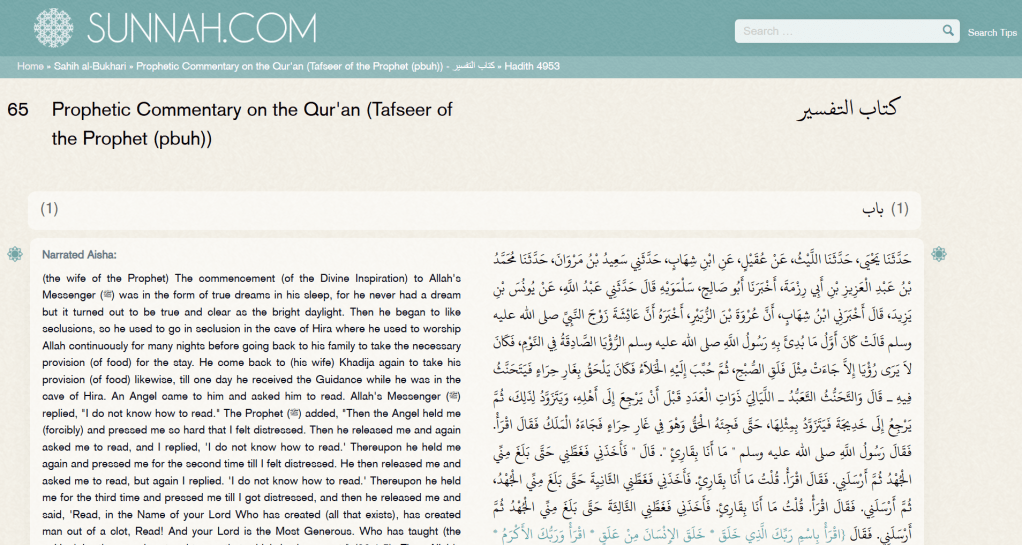
According to a hadith in Sahih Bukhari, as soon as the Prophet shared his experience of meeting Jibreel, which had caused him fear, with his wife Khadijah, the two of them sought counsel from Waraqa bin Nawfal, Khadijah’s cousin.
Waraqa was a highly respected figure in their society at the time. He was a Christian who often transcribed the Gospel into Arabic.
The Nature of Satan According to the Bible
To understand why the claim that Muslims worship Satan is absurd, it is important to examine how the Bible describes Satan. By using the Bible as a reference, we address this issue from the same perspective as Christians, who consider it their authoritative scripture.
Satan as a Deceiver
Satan is portrayed as one who misleads humanity through lies and deception.
“But the serpent said to the woman, ‘You will not surely die. For God knows that when you eat of it, your eyes will be opened, and you will be like God, knowing good and evil.”
Genesis 3:1-4
This verse emphasizes that Satan is the source of lies and deceit, aiming to mislead humanity. As a result of eating the forbidden fruit, Adam and Eve were expelled from the Garden of Eden. This also illustrates Satan’s role in tempting humanity to do what God has forbidden.
Satan as an Adversary:
An adversary is someone who opposes or is in conflict with another—essentially, an opponent or enemy.
“Be alert and of sober mind. Your enemy the devil prowls around like a roaring lion looking for someone to devour.”
1 Peter 5:8
Satan is depicted as humanity’s enemy, constantly seeking to destroy or harm those who are vulnerable.
Satan as an Accuser:
“Then I heard a loud voice in heaven say: ‘Now have come the salvation and the power and the kingdom of our God, and the authority of his Messiah. For the accuser of our brothers and sisters, who accuses them before our God day and night, has been hurled down.”
Revelation 12:10
When I engage with Christians on platforms like Quora, they often cite specific Bible verses while claiming that every time terms like “liar” or “deceiver” are mentioned, it refers to Allah. However, they’ve never provide supporting evidence such as scholarly commentaries, scriptural references, or equivalent justifications. Their arguments are often based on mere assumptions.
It’s akin to someone pointing at a random object and confidently declaring, “This is an ancient artifact worth millions.” When asked for proof, like expert evaluations, historical records, or even basic details about its origin, they simply respond, “Trust me, bro. I just know it is.” – Absurd!
Allah VS Satan
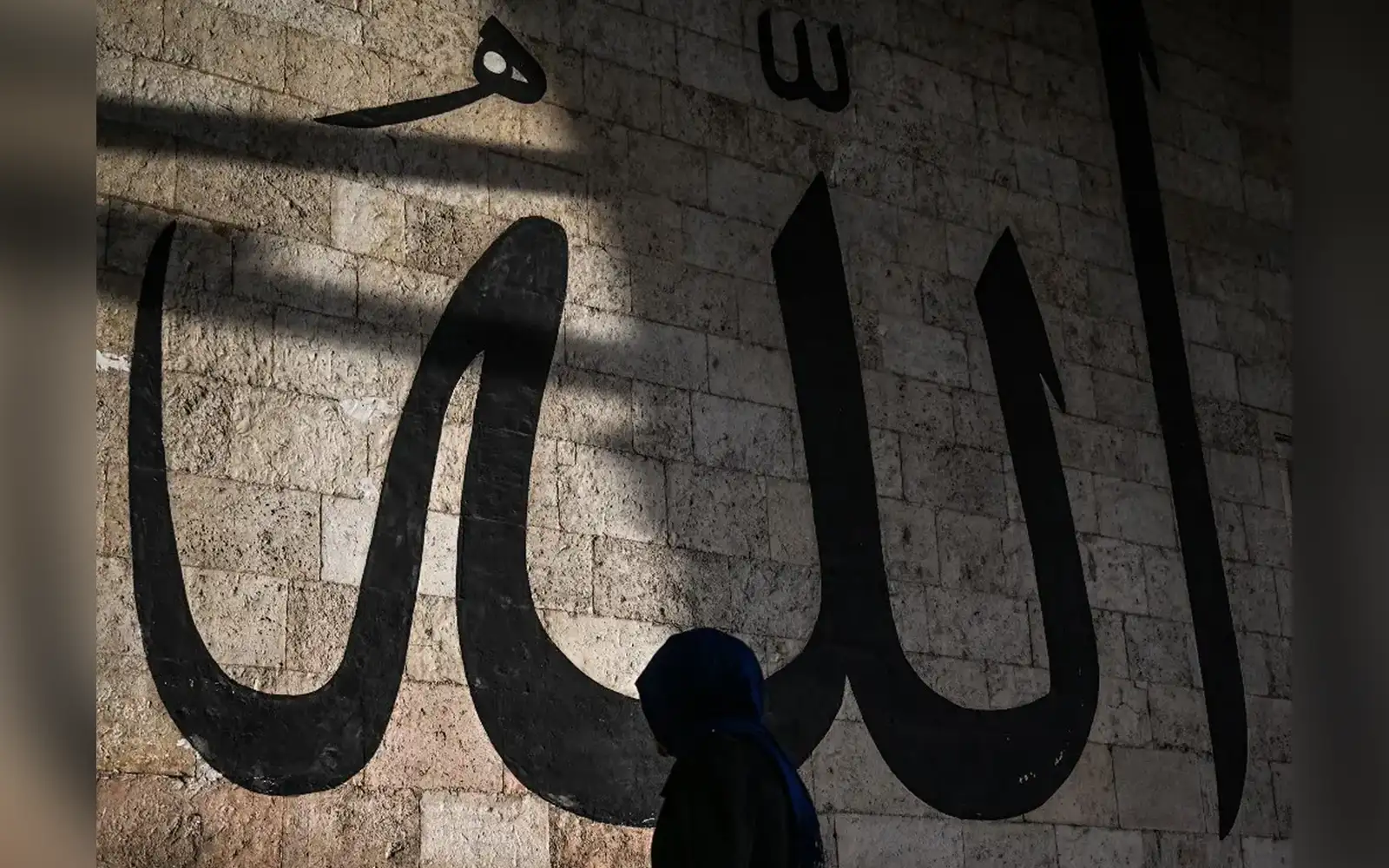
Now, let us examine the evidence that the nature of Allah contradicts the descriptions of Satan as outlined in the Bible above. For this section, we will use the Quran to explain the attributes of Allah, as it is our primary source for understanding Allah and His nature.
1) Allah vs. Satan the Deceiver:
“We have certainly sent down verses that make things clear, and Allah guides whom He wills to a straight path.”
Surah An-Nur 24:46
Allah explains that He will guide people to the straight path. This directly contradicts Satan, who deceived Adam and Eve into eating the forbidden fruit in Paradise, as mentioned in Genesis 3:1-4 above.
2) Allah vs. Satan as the Enemy of Humanity:
Here are several verses from the Quran that depict Allah not as an enemy, but rather as a source of mercy, love, and forgiveness for those who turn to Him:
“Do they not know that it is Allah who accepts repentance from His servants and receives charities and that it is Allah who is the Accepting of Repentance, the Merciful?”
Surah At-Tawbah 9:104
Another verse is from Surah Al-Baqarah, where Allah declares that He does not burden a soul beyond its capacity and that each person is only accountable for their own deeds:
“Allah does not charge a soul except [with that within] its capacity. It will have [the consequence of] what [good] it has gained, and it will bear [the consequence of] what [evil] it has earned.”
Surah Al-Baqarah 2:286
3) Allah vs. Satan the Misleader:
The Quran portrays Allah as a guide and protector, not someone who tempts humanity to commit wrongdoing. The fact that Allah does not mislead or cause people to sin is reinforced through several verses that emphasize His guidance, mercy, and justice. Here are some examples:
“Allah is the ally of those who believe. He brings them out from darknesses into the light. And those who disbelieve – their allies are Taghut. They take them out of the light into darknesses. Those are the companions of the Fire; they will abide eternally therein.”
Surah Al-Baqarah 2:257
4) Allah vs. Satan the Accuser:
The Quran portrays Allah as a just and fair judge, who neither accuses nor oppresses anyone unjustly. He provides humanity with the opportunity to repent and guides them with justice and mercy. Here are verses that emphasize that Allah is not an accuser but acts with complete fairness and without oppression.
Surah Al-Baqarah 2:286, mentioned earlier, proves Allah’s justice in not accusing or punishing the innocent.
This is further reinforced by Allah’s statement in Surah An-Nisa:
“Indeed, Allah does not do injustice, [even] as much as an atom’s weight; while if there is a good deed, He multiplies it and gives from Himself a great reward.”
Surah An-Nisa’ 4:40
So far, we have proven how noble Allah’s attributes are: Most Compassionate, Most Merciful, and Most Protective. His justice in holding individuals accountable is fair, never burdening others who are not involved.
Conclusion
The idea that Muslims worship Satan arises from ignorance or desperation to thwart the light of Islam as a perfect, all-encompassing religion. The core teachings of Islam center on the worship of Allah, the One God, and the pursuit of moral and ethical excellence in every aspect of life. The Quran clearly states that Satan is a real enemy to man, whose wiles must be resisted and overcome through faith, righteous deeds, and obedience to Divine guidance.
Muslims are taught to seek refuge in Allah from the influence of Satan and to reject all forms of evil, striving to live a righteous life in accordance with Allah’s commandments. This misunderstanding or misinterpretation ignores the essence of Islam, which emphasizes submission to Allah alone and a constant struggle against all forms of evil and temptation.





 Infiniti Islam
Leave a comment