


Introduction
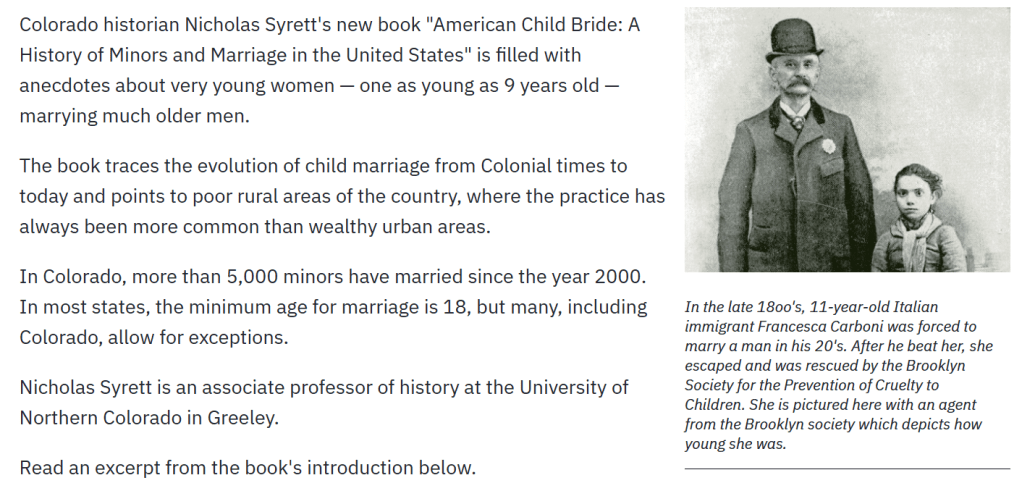
Child marriage, the practice of marrying off minors, is an issue that persists and, in fact, has deep roots in the history of many civilizations around the world.
Many people are unaware that this practice also existed in the cultures and nations of non-Muslims. This might be because we often forget history or simply choose not to pay attention. In fact, there are entries on Wikipedia complete with citations from academic journals.
Various factors such as economic, social, and religious elements played significant roles in shaping this practice in the past. With history often repeating itself, it is crucial for us to understand this phenomenon, which continues to exist even today.
Thus, this writing argues that child marriage was widely accepted across various civilizations and religions, especially in past centuries, due to the combination of existing cultural and social norms.
Winston Churchill once said, “The farther backward you can look, the farther forward you are likely to see.”
The Historical Normalcy of Child Marriage
History

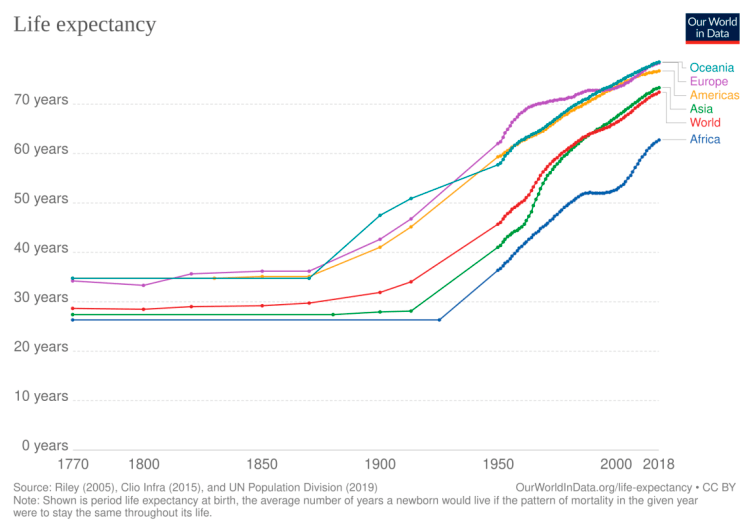
European children married in churches during the Middle Ages, a common practice at the time, aligned with the significantly shorter life expectancy of that era.
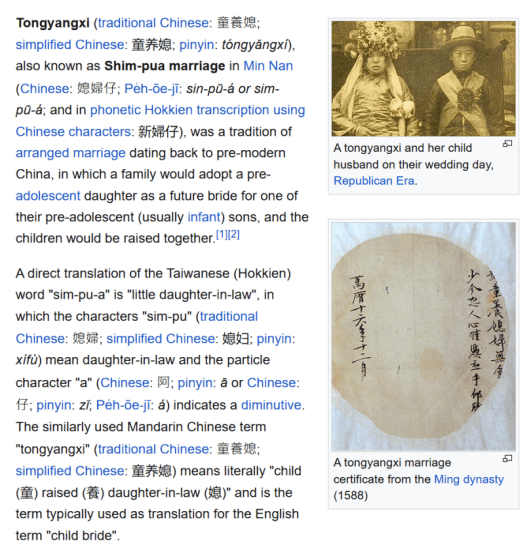
In Ancient Greece, early marriages and teenage motherhood for girls were common. In the Roman Empire, girls were married at the age of 12 and boys at 14. During the Middle Ages, under English civil law derived from Roman law, marriages below the age of 16 were customary. In Imperial China, child marriage was the norm, [7] with the ages of the bride and groom typically being roughly similar.
In many ancient and medieval societies, it was common for young girls to be betrothed at or before reaching puberty. According to Mordechai A. Friedman, “arranging and binding the marriage of a young girl was the absolute right of her father in ancient Israel.” Most girls were married off before the age of 15, often at the onset of puberty.
It has been noted that during the Middle Ages, marriages occurred around the age of puberty across Jewish traditions. Ruth Lamdan writes, “Many references to child marriages in 16th-century Responsa literature and other sources indicate that child marriage was common, almost to the point of being the norm.”
In this context, it is important to note that in halakha, the term “child” refers to a girl under the age of twelve years and one day. A girl aged twelve and a half is considered an adult in all respects.”[7]
Scriptural Context
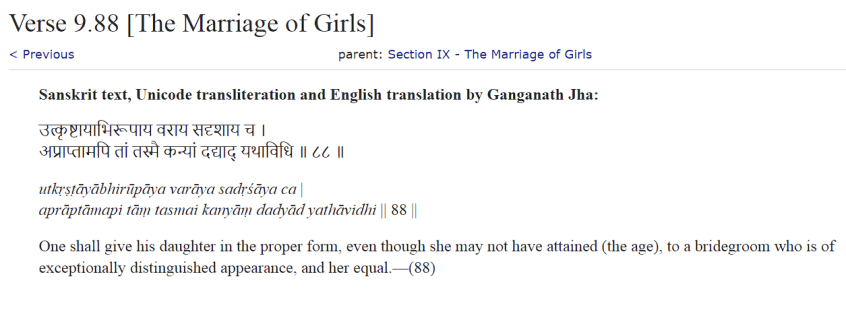
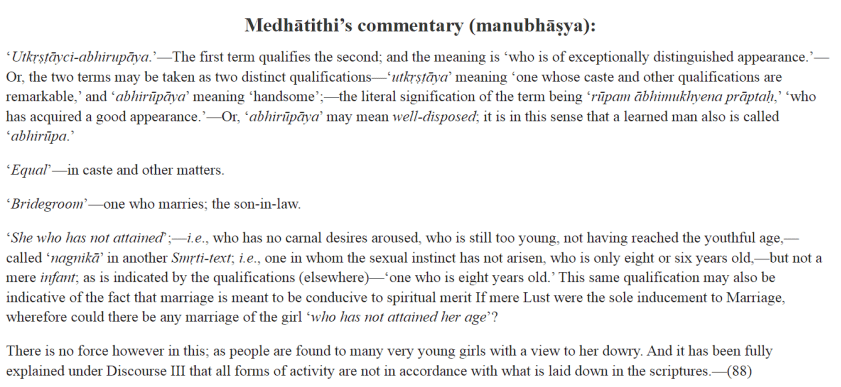
The sacred texts of various religious traditions have greatly influenced the norms surrounding child marriage. According to historical timelines (as commonly understood), Hinduism prescribed the marriage of young girls before puberty, considering it a religious obligation.
The Manusmriti, an ancient Hindu legal text, states, “A girl should be married before puberty.” (Manusmriti 9:88)[1].
In Christianity and Judaism, the Bible provides several examples where significant figures married young girls, reflecting the cultural norms of their time. For instance, Isaac married Rebekah, who is described as very young, possibly a child, when she was wed to him. Wilma Ann Bailey states that Rebekah was a child when she married Isaac.
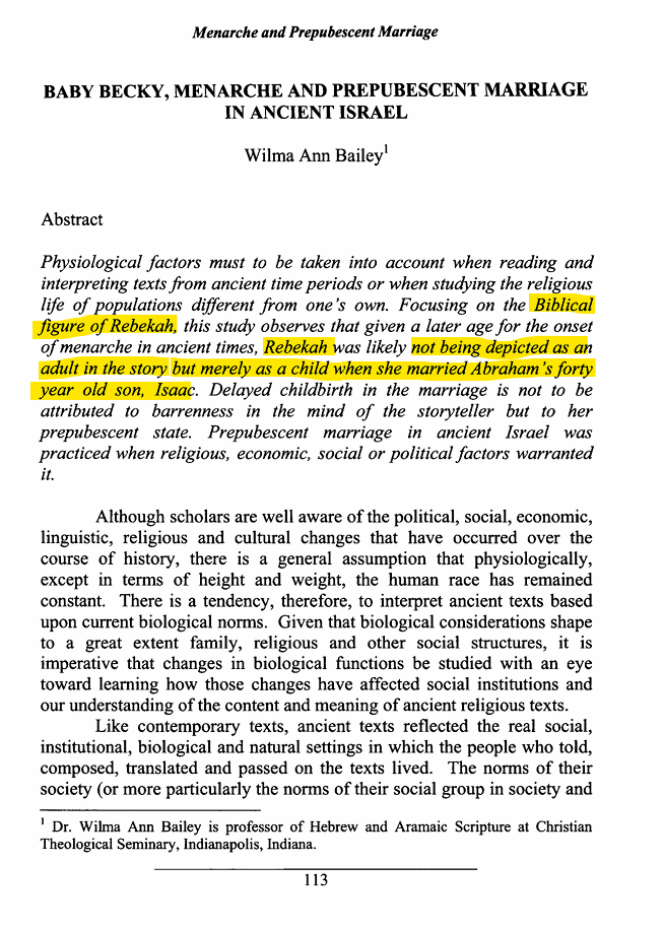
Although the Bible does not provide clear evidence of Rebekah’s age at the time of her marriage to Isaac, estimates can be made by calculating based on certain key statements in the text. The argument is that Isaac was 37 years old when his mother, Sarah, passed away at the age of 127, and Rebekah was born shortly after this event. This suggests that she was three years old when Isaac married her at the age of 40.
Another example is Joseph, who was betrothed to Mary, the mother of Jesus (AS). According to Christian tradition, Mary was likely in her early teens, around 12-14 years old, when she was betrothed to Joseph, which was common in Jewish society at the time.
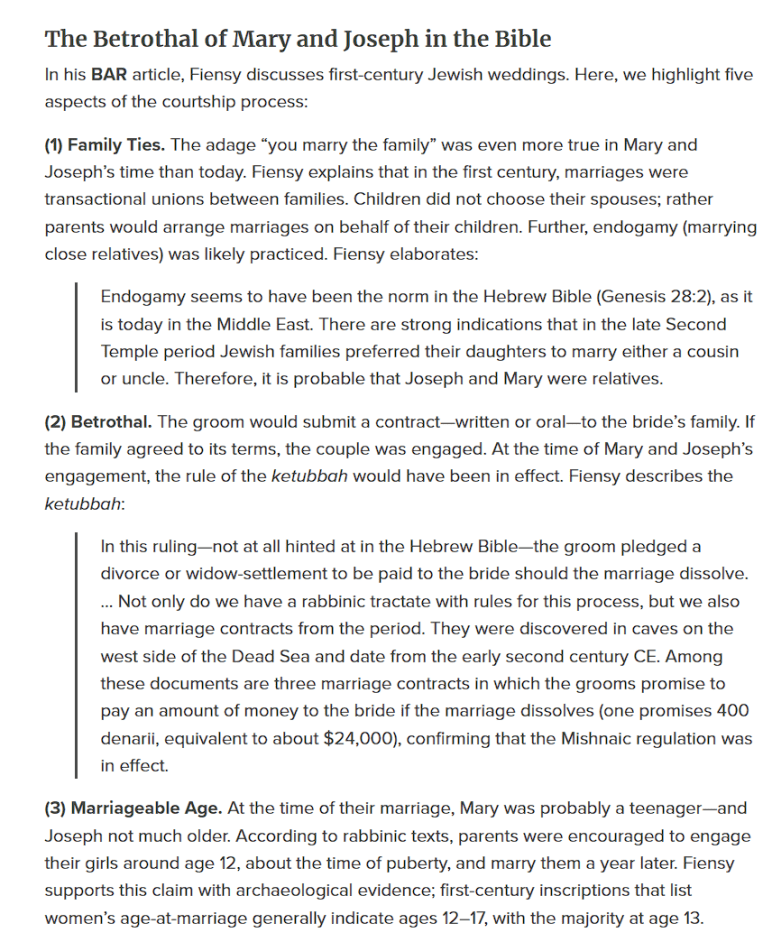
There are, of course, refutations from Christian scholars regarding the calculation of Rebekah’s age at the time of her marriage to Isaac. However, a Jewish Rabbi agrees with Wilma Ann Bailey, as seen in this video:

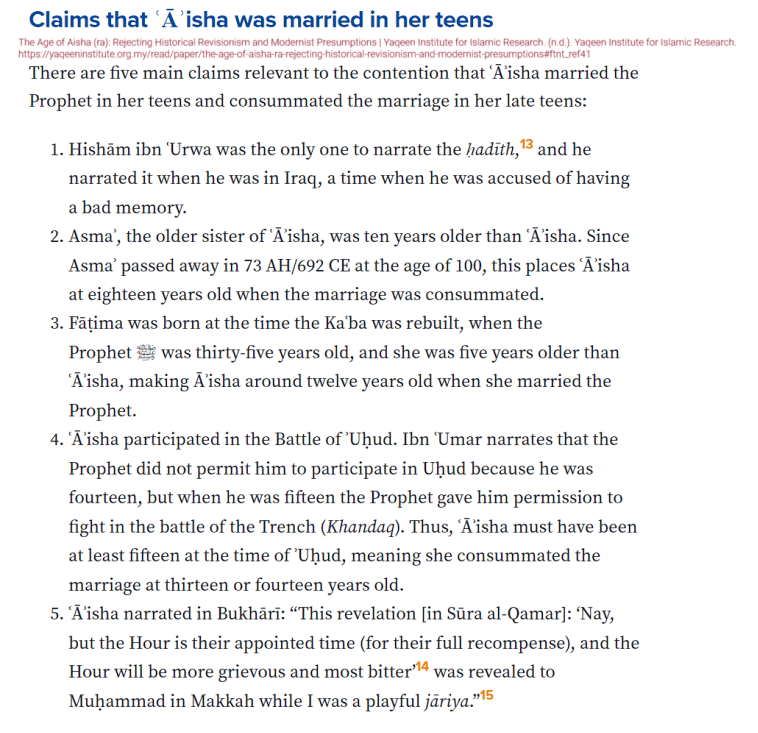
If we wish to argue, it is worth noting that there is also a debate among Muslim scholars regarding the actual age of Aisha at the time of her marriage to the Prophet Muhammad (ﷺ).
These examples illustrate how ancient societies accepted and sometimes even encouraged marriages with young women, who might be considered children by today’s standards. The Catholic Church gradually raised the minimum age for marriage, though initially it aligned with older traditions, with significant changes only beginning in 1971.[15]
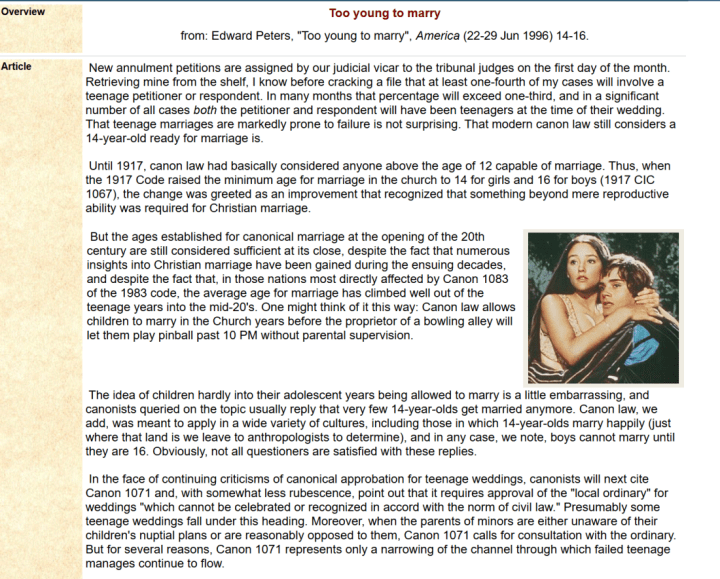
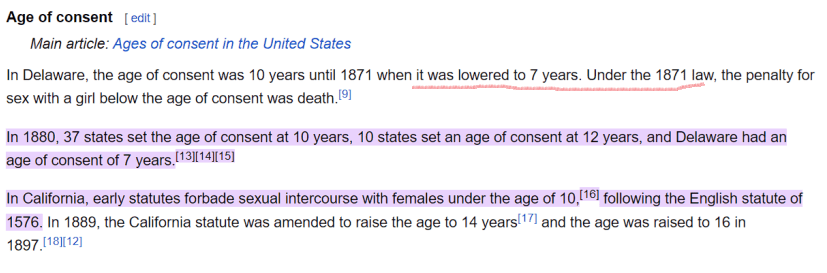
Did you know that Delaware, a state in America, under its 1871 law, allowed sexual relations as early as the age of 7?[15] A problem? Not by the standards of society at the time. But for us Muslims, it is a problem—zina (fornication).
In Islam, the Quran and Hadith also shaped the practice of marriage. Verses from the Quran and traditions of Prophet Muhammad (SAW) and Aisha (RA) have been interpreted to support early marriages, particularly when social and economic circumstances favored such unions.
The marriage of Prophet Muhammad to Aisha, who was reported to be around six or seven years old at the time of her betrothal and nine years old when the marriage was consummated, is often cited in this context.
We can set aside for now the debate among Islamic scholars who argue that Aisha was a teenager at the time of her marriage to the Prophet Muhammad (ﷺ).
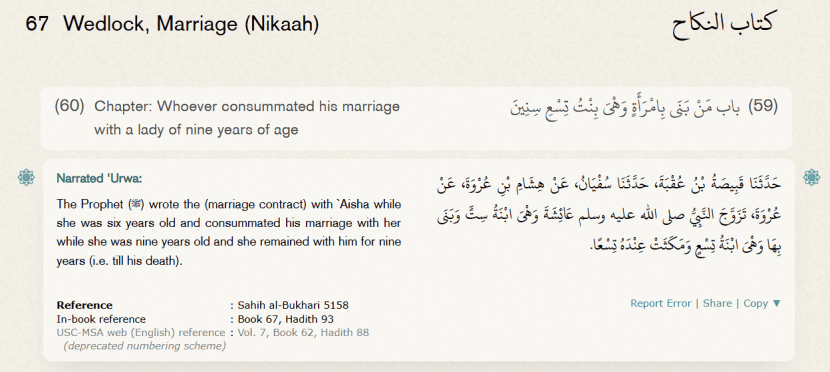
This marriage, as recorded in Sahih Bukhari (Volume 7, Book 62, Number 64), was not considered controversial at the time, as it aligned with the norms of 7th-century Arab society. Today, many people overlook the fact that such practices were common across various cultures and historical periods.
Instead, they often criticize and belittle Prophet Muhammad (ﷺ) without taking into account the historical and cultural context in which such practices were normative, particularly in the Middle East. These practices were also consistent with customs in Jewish traditions, as documented in numerous studies.
In fact, in America, engaging in sexual relations at the age of 7 was not prohibited by law at one time.
Despite the many criticisms directed at Prophet Muhammad, there is NO HISTORICAL EVIDENCE from his time or the years following his passing that indicates any opposition to this practice, especially during his lifetime. Even the Prophet’s detractors, who documented various criticisms and accusations against him, never regarded his marriage to Aisha as a major issue.

For example, works such as The Life of Mahomet by Sir William Muir (1858) are well-known in Western literature for criticizing various aspects of the Prophet’s life, including his leadership and theological teachings.
However, this text does not specifically discuss or condemn his marriage to Aisha, indicating that the issue of Aisha’s age was not a point of contention at the time. In this book, I want to highlight a common argument raised by some Islamophobes, which claims that blind faith among Muslims supposedly leads to hatred and eradication of non-Muslims.
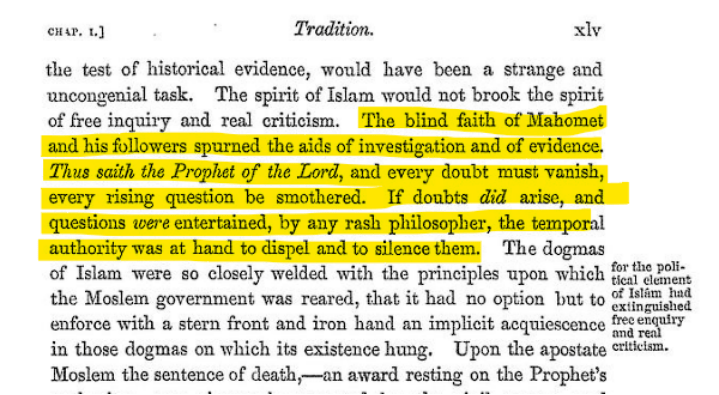
However, this text does not specifically discuss or condemn his marriage to Aisha. This indicates that even though the author of The Life of Mahomet frequently criticized the Prophet harshly, he did not concern himself with the marriage to Aisha, which is considered controversial by today’s standards. The author does mention Aisha in several places, but these are narrations rather than moral condemnations.

It was only in the 19th and 20th centuries, as many countries around the world began regulating the age of marriage, that these practices started to be questioned. As modern societies moved towards setting higher minimum marriage ages, the practice of early marriages—including that of Prophet Muhammad—began to be scrutinized and criticized, often without fully understanding the historical and cultural context in which these practices were rooted.
If you have time, you might want to read about King Richard II, who married Isabella when she was just 6 years old. A doll was included.
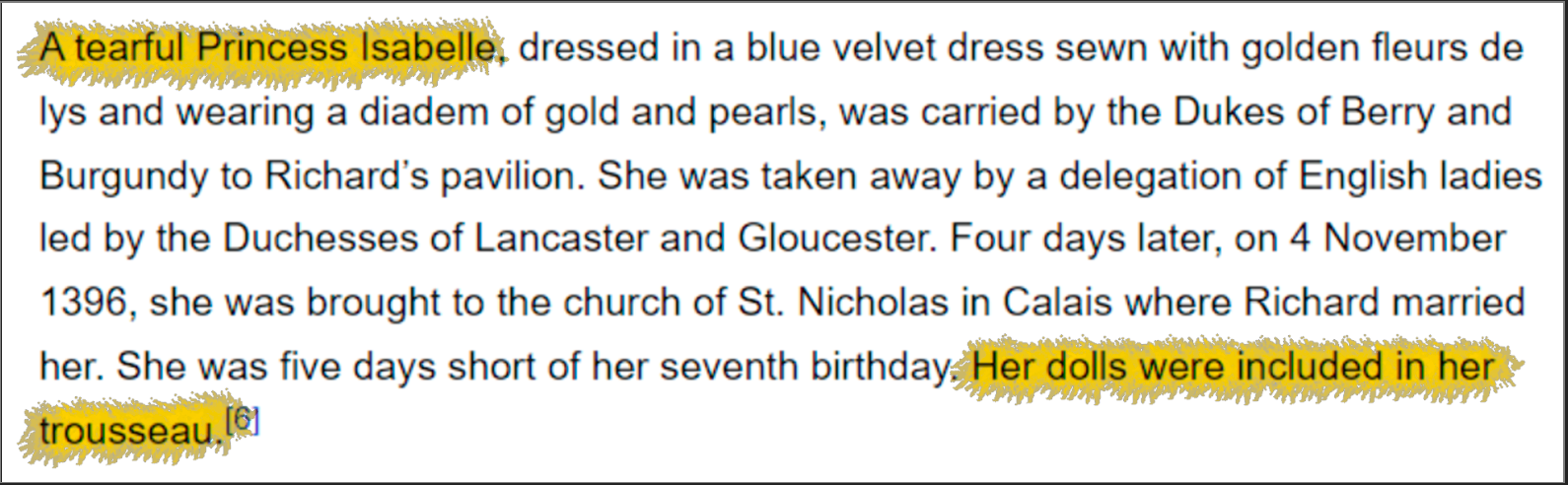
At the very least, at this point, we can all agree that marriages involving very young women were common in past centuries, regardless of who the groom was—whether he was of a similar age to the bride (as practiced in the Chinese dynasties) or significantly older, such as Richard at 29 marrying a tearful Isabelle at the age of 6, or Isaac in the Bible, who married Rebekah at the age of 40 when she was only 3 years old!
It is crucial to avoid the Presentism Fallacy by not judging these historical practices through the lens of modern standards. Instead, we must consider the historical context in which these practices developed, understanding that the norms and challenges of that time were vastly different from what we experience today.
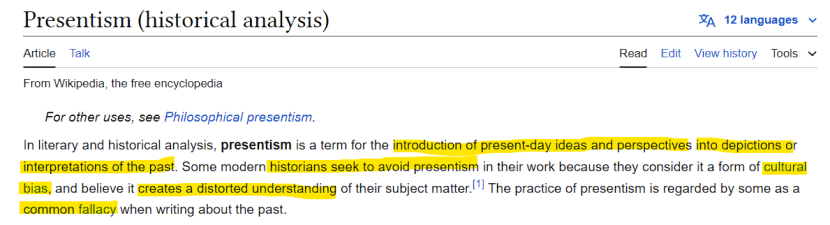
We will discuss another well-known objection in the next section, which is the significant age difference between Prophet Muhammad (SAW) and Aisha (RA). But before that, let us examine other factors contributing to this phenomenon beyond societal norms, as previously outlined.
Contributing Factors

Women’s Life Expectancy and Reproductive Health
In past centuries, the average life expectancy of women was significantly shorter due to limited medical advancements and high maternal mortality rates. For example, during the medieval period, women’s life expectancy was often between 30 to 40 years, with many mothers dying during childbirth or from other illnesses.
As a result, societies encouraged early marriages to ensure that women could bear children while they were still young and more likely to survive childbirth. Early marriage was seen as a practical necessity for ensuring family lineage and the survival of communities.
Social and Economic Structure
The economic and social structures in some societies contributed to the prevalence of child marriage. In Middle Eastern communities, known for their tribal (clan-based) lifestyles, early marriages were often a way to secure alliances, strengthen wealth, and maintain social stability.
Marriages were arranged to benefit families, and young girls were often seen as valuable members to be married off to secure the best matches, thereby elevating the family’s economic and social standing. This practice was further reinforced by the dowry system, where younger brides were often considered more desirable.
Cultural and Religious Practices
Cultural norms and religious practices in many societies supported child marriage. In some cultures, early marriage was viewed as a moral obligation to ensure that young girls remained virgins until marriage. As discussed earlier, religious texts and traditions sometimes endorsed these practices, though interpretations varied across cultures and eras. In many cases, marrying off daughters at a young age was seen as a way to protect their chastity and secure their future, particularly in the context of Islamic teachings.
A Point to Consider: Age of Consent
An interesting point to highlight here is the concept of the “Age of Consent,” which refers to the age at which an individual is legally recognized as capable of giving consent to sexual activities. If we look at the image below, it shows that the average Age of Consent (AOC) worldwide ranges from 12 to 18 years, except in Muslim-majority countries, where consent is typically granted exclusively within the bounds of marriage.
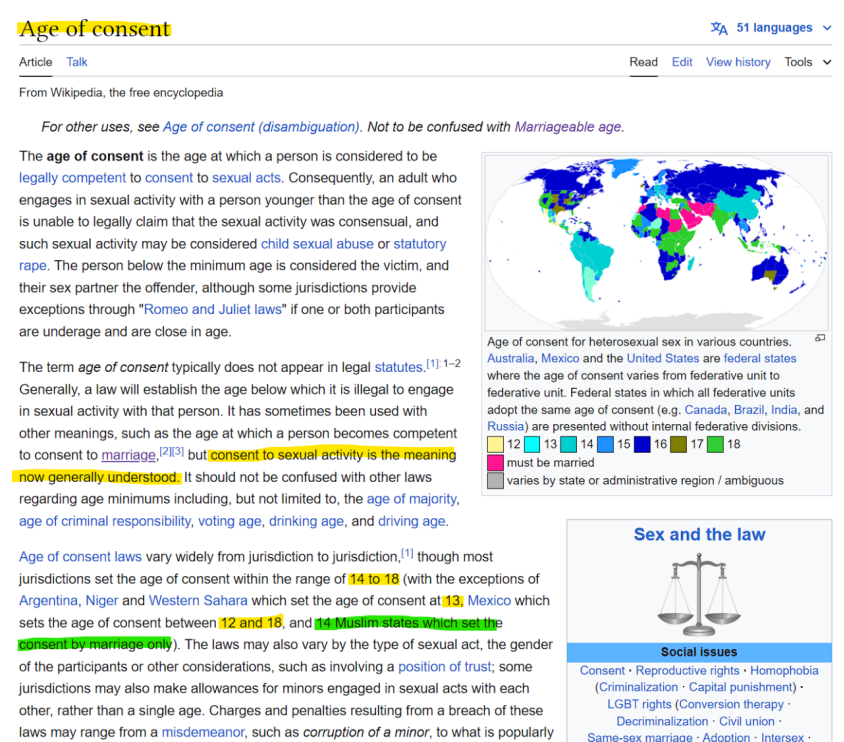
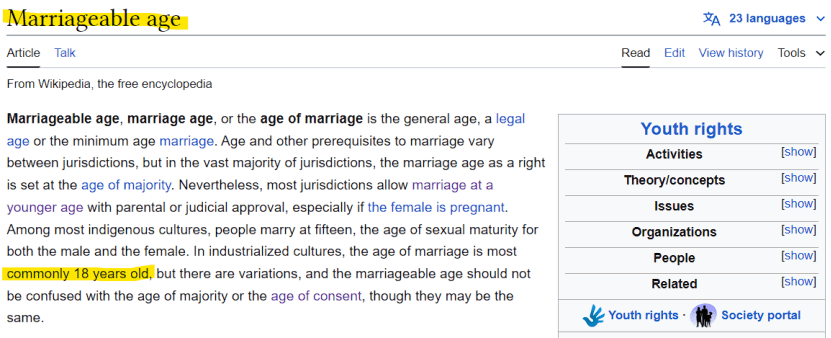
If we consider the legal age for marriage, it is typically set at 18 years old. Why is that? Isn’t this strange? To me, this is a contradiction. Legally, you can engage in sexual activity as a child, but marriage is prohibited. How does that make sense?
Now, if someone argues that the age range of 12–18 falls under adolescence and not childhood, take a look at this statement:
“One of the most significant cultural inventions of the past century is adolescence. It’s hard to imagine that we ever existed without going through adolescence as we know it today, but if we could travel back a few centuries, people at that time would view the concept of modern adolescence as completely foreign. Around the 1500s, for example, most children in the West were workers, recruited into the adult workforce as early as the age of seven, according to childhood historian Hugh Cunningham from the University of Kent.” [17]
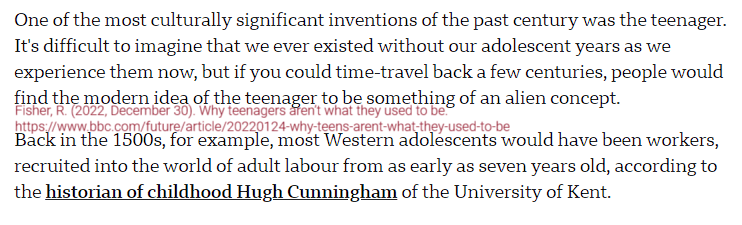
See the point? In past centuries, children as young as 7 years old were often put to work. The concept of ‘adolescence’ didn’t exist—there were only children and adults. A person was considered an adult as soon as they reached puberty. Remember the 1871 law I mentioned earlier, which allowed sexual relations as early as the age of 7?
So, if we follow today’s standards and define adulthood as starting at 18, then ages 12–18 would fall under childhood. However, in the past, reaching puberty (around 8–12 years old) marked the beginning of adulthood. Adolescence? That’s a modern construct.
Some may argue that the marriage age is set at 18 because of the responsibilities a woman might face in marriage, and there is concern that younger individuals may not be able to handle them.
I don’t disagree with that. However, engaging in sexual activity outside of marriage can lead to even more serious consequences, and we all know it—depression, emotional distress, stigma, rejection, and societal judgment. This is the issue I want to address in this section.
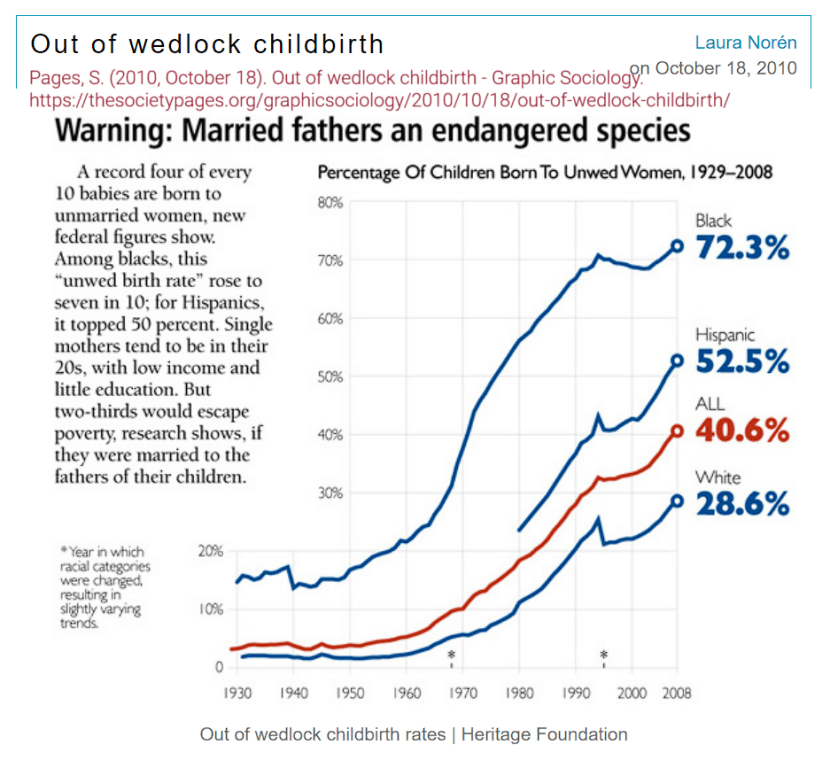
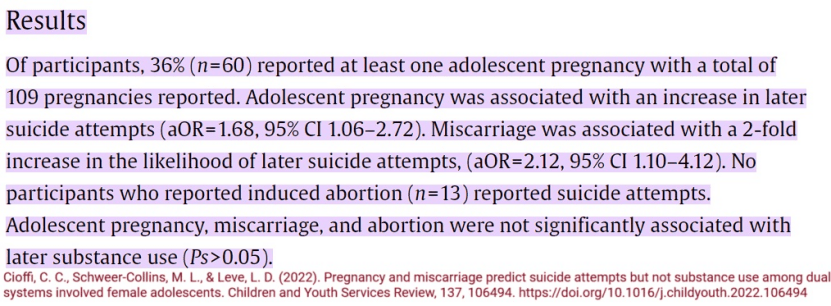
Sex outside of marriage was considered an immoral act and a taboo, even in non-Muslim societies of the past.
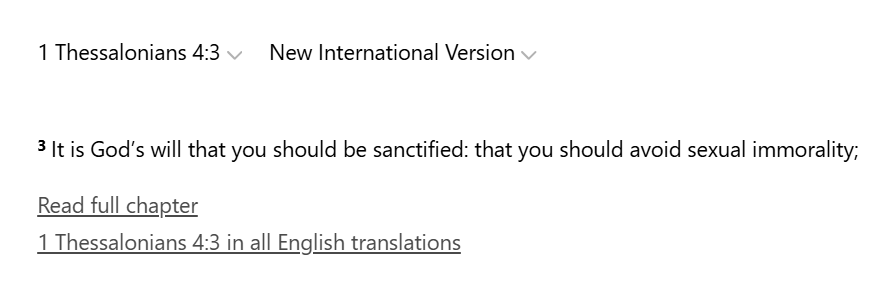
Bible Quote: 1 Thessalonians 4:3 (NIV)

“There are three gates leading to this hell—lust, anger, and greed. Every sane man should give these up, for they lead to the degradation of the soul.”
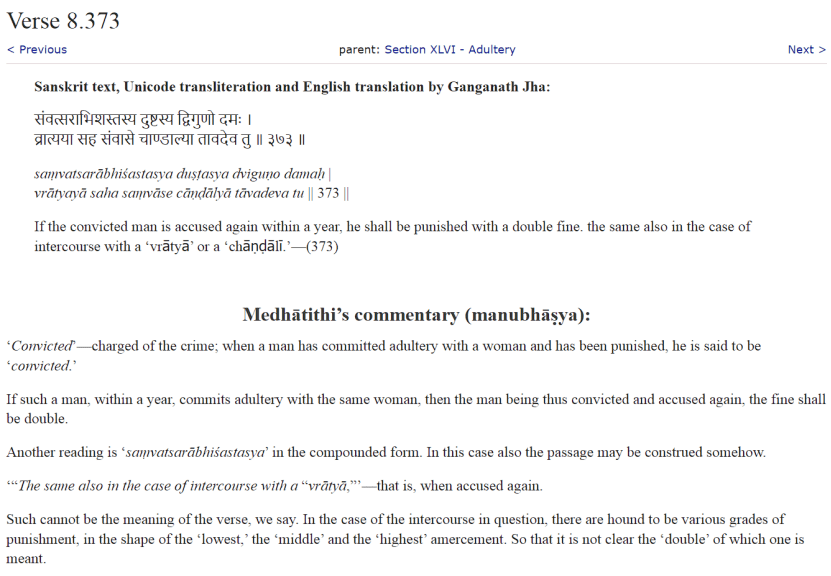
Although I will not delve further into this matter here, it is evident that despite our differing religions, we all agree that fornication is vile and forbidden according to each of our respective sacred texts.
However, I want to emphasize that Islam holds the institution of family in the highest regard. Through marriage, a woman’s status is elevated and protected as she gains rights, safeguards, and recognition within society.
Some might argue, “Oh, but look at Muslim women today—many engage in premarital activities.” Well, they are clearly violating explicit prohibitions against such acts. At least in Islam, there is a clear and unequivocal prohibition.
“And do not approach unlawful sexual intercourse. Indeed, it is ever an immorality and is evil as a way”
Surah Al-Isra’ 17:32
The verse clearly states that not only is the act of fornication immoral, but we are also forbidden from approaching or even attempting it. Because we all know, this is like fire and oil, or…cats and fish—if you get the analogy.
Why Aisha R.A.?
This is one of the most intriguing aspects: many people, perhaps unknowingly, commit the Presentism Fallacy by claiming that marrying Aisha at the age of 9 is immoral. They fail to see the wisdom behind this marriage.
This marriage was, in fact, decreed by Allah, as narrated in Sahih Bukhari.
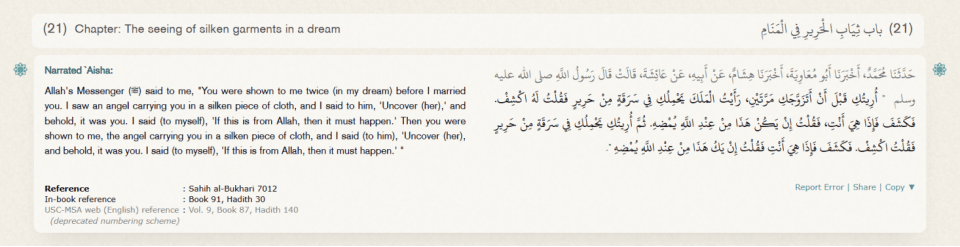
Narrated by Aisha (R.A):
The Messenger of Allah (ﷺ) said to me, “You were shown to me twice (in my dream) before I married you. I saw an angel carrying you in a silken piece of cloth, and I said to him, ‘Uncover (her),’ and behold, it was you. I said (to myself), ‘If this is from Allah, then it must happen.’ Then you were shown to me again, the angel carrying you in a silken piece of cloth, and I said to him, ‘Uncover (her),’ and behold, it was you. I said to myself, ‘If this is from Allah, then it must happen.’”
(Sahih Bukhari)
I. Strengthening Alliances
Political and Social Alliances:
The marriage to Aisha, the daughter of Abu Bakr, was a strategic alliance that strengthened the bond between Prophet Muhammad and one of his closest companions. Abu Bakr was a key supporter of Islam, and this marriage further solidified his loyalty and support for the Prophet’s mission.
II. Dissemination of Knowledge
Aisha as a Scholar:
Aisha became one of the most important transmitters of hadith. Her exceptional memory and deep understanding enabled her to narrate thousands of hadith and play a significant role in the early Muslim community as a teacher and the first female scholar.
Her marriage to the Prophet placed her in a close position to acquire profound knowledge of Islam, encompassing all aspects of life, including domestic matters, which she later conveyed to the broader Muslim community.
In other words, Aisha (RA) became the first woman in history to hold a respected position as an educational figure, shaping the doctrines of one of the world’s major religions—a role unparalleled by any woman of her time.
Due to her young age at the time of marriage, she had ample time to teach and impart her knowledge to the believers until her passing.
This directly addresses the issue of the significant age difference between them that I mentioned earlier.
III. A Model
A Model for Future Generations:
This marriage served as a model for future generations in terms of family life, ethics, and social relationships. Aisha’s marriage to the Prophet at a young age is viewed as an event decreed by Allah’s wisdom, intended to fulfill various purposes, including moral guidance and teaching.
IV. Companionship and Support
Emotional and Spiritual Support:
Aisha provided companionship and support to the Prophet during the later years of his life. Their relationship is often highlighted as an example of mutual respect and affection in marriage. The interactions between the Prophet and Aisha are frequently cited to demonstrate his kindness and compassion toward his wives.
It is important to note that Aisha was the only wife of Prophet Muhammad (SAW) who had not been previously married. All his other wives were widows before their union with the Prophet.
V. A Test for the Believers
My Personal View:
I am not certain if all my fellow Muslims will agree with me, but I see this as a test for Muslims to defend our Prophet against slander, hatred, and false accusations made by those who have never tried to understand—namely, Islamophobes.
We can either succumb to fear and blindly follow unreasonable social norms, such as the discrepancy between the Age of Consent and Marrigeable Ages mentioned above, or we can view this as wisdom decreed by Allah, the Most Wise.
Perhaps one reason why some Muslims leave the faith is due to this issue. However, this wisdom can only be appreciated when we consider the broader impact of Islam today: The Fastest Growing Religion.
Countering Islamophobic Accusations
[Message to Non-Muslim Readers]
FIRSTLY, IT IS IMPORTANT TO UNDERSTAND THAT I DO NOT JUDGE EVERYONE AS THE SAME.
That’s why the term ‘Islamophobe’ is used—to differentiate between friends and adversaries. If we were to meet in real life, you would see how kind-hearted and generous I am, just as you would be kind to me.
If you were my boss in the past, you would remember how obedient and dedicated I was when we worked together because I regarded you as a friend.
However, it is crucial for you to read until the end to truly understand my perspective. Please do not assume that I see you as Islamophobic. If you have never made false statements or spread hateful ideologies, there is no reason for you to feel attacked by me.
This is, in fact, a template. I adapt it based on my audience since I often engage in online debates.
Slander and Falsehoods

This Image Was Sent During an Online Debate
This image was shared with me during a debate with an Islamophobe on Quora a few months ago. What frustrated me was that, after bombarding me with images implying pedophilia, they blocked me, preventing me from responding. Cowardly, to say the least!
Not to mention the insults hurled—they were outright vicious.
Eventually, I deleted the entire conversation, which had lasted for several days (I can’t recall exactly how long), because it became too distressing. It was filled with lies and images that insulted Prophet Muhammad (ﷺ).
Moreover, when I revisited the conversation later, I initially thought I had hurt them, but in truth, it had hurt me more. This was due to the harsh language I used. At the time, I thought, “If they can insult me, why can’t I respond in the same way?”
But you know what? It actually tarnished the positive message about Islam that I was trying to convey. And that’s where the idea for this apologetics blog originated. I hope it provides some guidance to my fellow Muslims who may find themselves unintentionally drawn into conversations or confrontations with anyone harboring misconceptions about Islam.
The goal is to avoid being easily triggered and saying things we might regret later—something I have personally experienced. I’ve also taken this as an opportunity to deepen my own understanding of Islam and other religions.
About the Image in Question
Regarding the image shown above, it is clearly a misinterpretation. The young girls are actually the bride’s sisters, while the actual bride was waiting elsewhere. Snopes Article
However, the Islamophobe also sent me many other images, which I believe are authentic. These images predominantly depict adult Muslim men marrying young girls in various countries.
A Personal Reflection
At the end of this article, I will share my perspective on whether I would allow my children, especially my daughters, to marry at a very young age.
Before doing so, it is important to mention that there is also a hadith narrating that Aisha played with dolls alongside her friends.
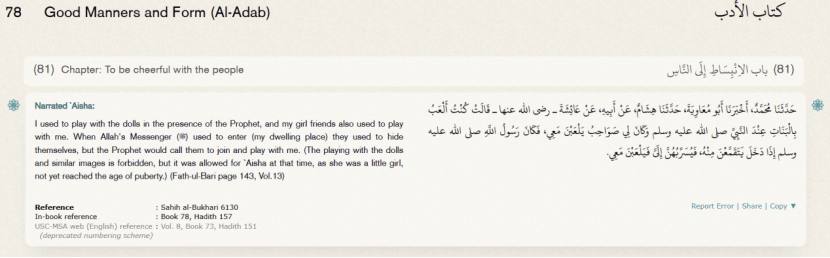
Yes, Aisha (R.A.) is mentioned in a hadith as playing with dolls, much like Isabelle, who was married to King Richard II, as I mentioned earlier. Before we pass judgment, let us take a look at these images:



Can You Guess Their Age? What’s Your Opinion?
I asked my 13-year-old daughter if she would play with toys if given the chance, without anyone judging her as childish.
Her answer was a resounding YES!
What toys would she play with? Pretend cooking sets!
Relevance to the Argument Above
While playing with toys may appear to indicate childishness, it doesn’t always mean so. Yes, it’s true that children play with toys, but that doesn’t imply they are incapable of handling responsibilities. In fact, I believe we all retain a bit of ‘childlike’ nature within us.
It’s simply a tool for enjoyment.
Moreover, as I argued earlier, marrying at a young age was common in the past, considering the economic, social, and cultural contexts of the time. Let’s not forget, children as young as 7 were often trained to become workers, and this was legally acceptable. I’m sure these boys imagined themselves as gladiators when they came home after work.

My Point
Even though they were young, the social, cultural, and economic circumstances of their time forced them to mature earlier than their actual age, enabling them to take on responsibilities. It is unfair to compare our modern way of life with those who lived in the past. This is the mistake of Presentism Fallacy.
Current Context
Now, with the arguments above in mind, no non-Muslim can deny that child marriage has occurred in their own cultures and religions in the past. In fact, we are now better equipped to understand the following phenomenon.

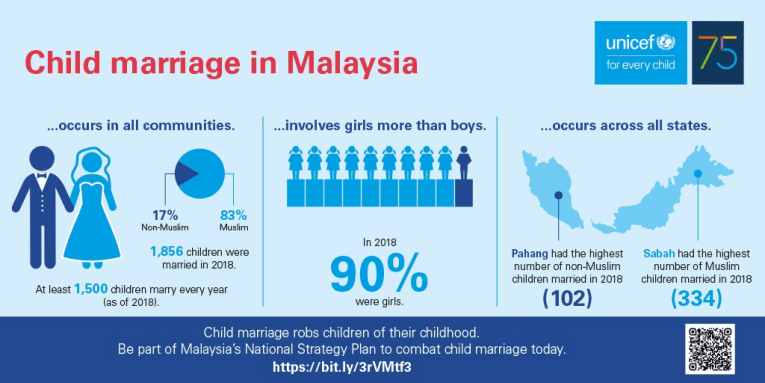
So, what can we conclude from all this?
If we view this as an issue, it is something that every culture and religion has experienced. It is not unique to Islam alone. This practice has been deeply rooted in our ancestors’ way of life for centuries, driven by various factors, as I mentioned earlier.
In my opinion, as long as it occurs within the bounds of marriage, it should not be considered a problem… depending on the circumstances. Read further, and I will explain.
But again, it is unfair to compare today’s standards with those of the past. This is the Presentism Fallacy.
Now, it’s time to reveal my perspective on this matter. Would I allow my beautiful daughter to be a bride today, as depicted in the first image?
Answer: NO!

“Wkwkwkw…funny, bro!”
“What’s your real intention here?”
“Give me back the 10 hours I spent reading this.”
Hold on, read this first:
Saidina Umar al-Khattab (Reference: Mufti Persekutuan Malaysia):
“Raise your children differently from how you were raised because they were created for a time that is not yours.”
Yes, that’s the point. We need to educate our children in accordance with the current social, cultural, and economic circumstances. My mindset and my children’s are already aligned with the modern norms of today, where children are in school at a young age.
Definition of a Child According to Shariah
The definition of “child” in Islam also requires reflection. Unlike the Western perspective on the definition of “child,” under Islamic Shariah law, “child” is not necessarily defined solely by a specific age.
Under Shariah law, childhood ends when someone reaches puberty. Girls are considered to reach puberty when they begin menstruating, and boys when they release sperm during wet dreams. [12][19]
Interesting Fact
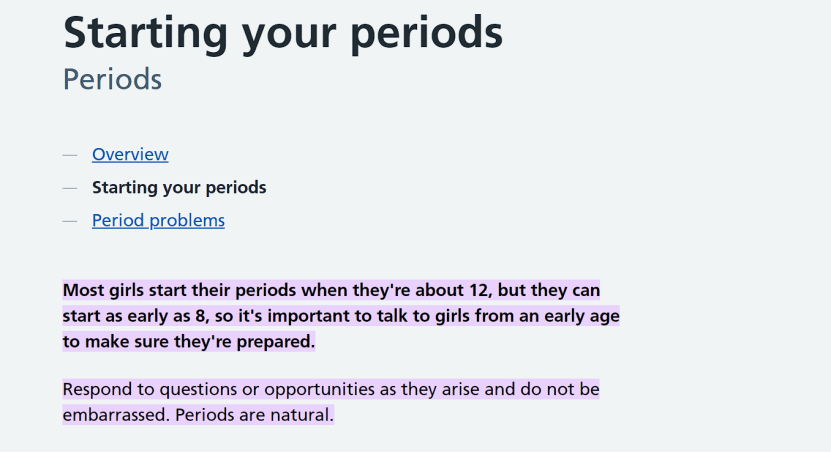
According to an NHS article, most girls begin menstruating around the age of 12, but it can start as early as 8. [13] Yup!
It is highly likely that Aisha had already reached puberty by the time she married the Prophet Muhammad (ﷺ).
Alternative Consideration
If signs of puberty do not appear, the determination of maturity is based on age when physical signs are absent. Therefore, the fuqaha’ (Islamic jurists) have established specific ages as the threshold for puberty. According to the Hanafi, Shafi’i, and Hanbali schools of thought, children are considered to reach puberty at the age of 15, while the Maliki school sets the age at 17. [12]
I Would Not Allow My Daughter to Marry at This Age
In reference [12], there is also a discussion among scholars emphasizing that any decision that could harm or pose risks to a child under the care of their parents is not permissible. Based on studies of the risks associated with marriage at a very young age in today’s context, I have arrived at the conclusion stated above.
I know my daughter, and in many aspects, she is not ready for this.
Responding to the Allegation; The Prophet Muhammad Is the Cause of Pedophilia Among Muslims
Islamic Guidelines on Puberty
Islam provides a clear definition of puberty (akil baligh), marked by the first menstruation for girls. According to the UK National Health Service (NHS), as quoted earlier, this typically occurs between the ages of 8 and 12.
This means that if a girl is 8 years old and has experienced her first menstruation, she is no longer considered a child. Based on today’s classification, she would fall under the category of an adolescent.
However, in the past, the term adolescent did not exist, as I explained earlier. At that time, a girl reaching puberty was considered an adult.
Let us also not forget that under the 1871 U.S. law, sexual activity at this age was legally permitted. Movies like Pretty Baby (1978) and Child Bride (1938) illustrate this phenomenon in Western societies. Why was no one labeled a pedophile in those times?
Islam’s Stance on Sexual Conduct
Islam explicitly condemns any sexual activity outside of marriage, whether consensual or otherwise, as clearly stated in Surah Al-Isra (17:32):
“And do not approach unlawful sexual intercourse. Indeed, it is ever an immorality and is evil as a way.”
This prohibition encompasses all forms of sexual misconduct, further emphasizing Islam’s commitment to protecting dignity and morality.
“And do not approach unlawful sexual intercourse. Indeed, it is ever an immorality and is evil as a way.”
Surah Al-Isra’ 17:32
Or even by force, as stated in Surah An-Nisa, verse 19:
“O you who have believed, it is not lawful for you to inherit women by compulsion.”
Surah An-Nisa 4:19
Therefore, all forms of crimes and violence, especially those related to sexual misconduct against women, are strongly condemned.
Young Girls Who Have Not Menstruated
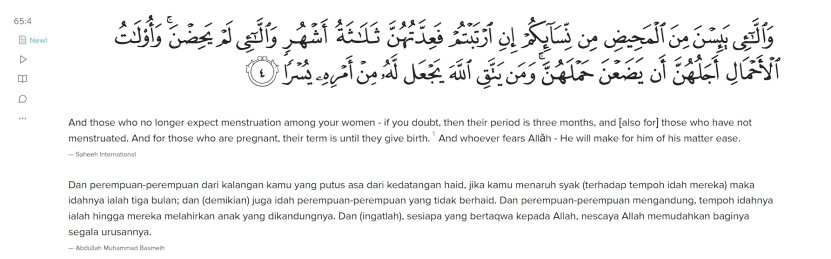
Surah At-Talaq 65:4
“And those who no longer expect menstruation among your women—if you doubt, then their waiting period is three months, and [also for] those who have not menstruated. And for those who are pregnant, their term is until they give birth. And whoever fears Allah—He will make for him of his matter ease.”
This verse has often been used as an argument against me by the Islamophobe I mentioned earlier. Admittedly, they seem to have some knowledge of the Quran—knowing its contents but not necessarily understanding them. One crucial aspect they overlooked is that, in Islamic tradition, we have Asbabun Nuzul (the causes of revelation) and Tafsir (interpretations and commentaries).
According to the Mufti Wilayah Persekutuan, this verse addresses a specific issue faced by the people of Madinah at the time, who historically had wives from among young girls.

As I have outlined earlier, this was a common norm across various cultures in the past, whether in the Middle East or beyond, such as in China and India.
Not to forget, Rebekah’s marriage to Isaac at the age of 3 is further evidence of this norm among Jewish communities of the time. (Refer to the lecture by Rabbi Mintz)
At that time, Madinah was also home to a significant Jewish population when Prophet Muhammad arrived there. Islam is a religion suited to all races, in all countries, and across the world. Theoretically, had Islam reached China at that time, where child marriages of a similar nature were practiced, any domestic issues could have been resolved through the legal framework of Shariah law.
Additionally, there are instances where individuals may have medical conditions leading to delayed menstruation.
In my opinion, the term pedophilia is more appropriately applied to acts of violence or exploitation where someone seeks to violate the dignity and innocence of a child outside the bounds of marriage. If parents consent to a marriage, it is their choice, and as guardians, they are expected to weigh all benefits and risks carefully, following the guidelines of Shariah law.
As for me? No, thank you. I want my daughter to focus on her education.
“Gaslight”
While I may instinctively look down upon those who marry children, as it does not align with modern societal norms, I have no absolute right to condemn them outright without understanding the context, purpose, and considerations behind such decisions.
After all, marriage binds the husband to protect and honor his wife.
In reality, there is an even more pressing issue than marrying children—the influence of LGBT ideologies. While some vehemently criticize Prophet Muhammad’s marriage to Aisha at the age of 9, they paradoxically “normalize” and even glorify these deviations.

This ideology has spread and seeped into the minds of our children through various media such as anime, manga, manhwa, wayang and so on. Marrying children is a “grave sin” in modern society but promoting perverted sex is “noble”. There are also reports that some LGBT communities go to schools and introduce this concept to children, some even bring sex toys to school for them to “explore” he said. Is it okay??
HYPOCRITICS! Think about it.
Summary
- Age classification was different in the past; there were only two categories: children and adults. The concept of adolescence did not exist.
- Children were considered to have reached adulthood when they reached puberty, around 8-12 years old.
- Sex and marriage at this age were not considered pedophilia in the past.
- In the past, individuals who are classified as children today were already contributing economically, and their labor was often used for work, which was considered normal.
- The same principle applied to marriage at that time.
- Using modern standards for historical context is a mistake known as PRESENTISM FALLACY.
- There is also an opinion that Aisyah married Rasulullah at a teenage age.
- The mismatch between the Age of Consent and the Age of Marriage can result in major disasters such as pregnancy and even suicide.
- The crime of pedophilia is more appropriately used in the context of sexual desires toward children before puberty outside the bounds of marriage, such as molestation and rape, including on one’s own children and same-sex individuals. May all these misdeeds receive appropriate punishment.
Citations:
- Medhatithi. (n.d.). Manusmriti with the Commentary of Medhatithi. Retrieved from https://www.wisdomlib.org/hinduism/book/manusmriti-with-the-commentary-of-medhatithi/d/doc201453.html
- Isaac and Rebekah: Genesis 24:16.
- Bailey, W. A. (2011). Baby Becky: Menarche and prepubescent marriage in ancient Israel. Journal of the Interdenominational Theological Center, 37(1), 26–45. Retrieved from https://journals.auctr.edu/index.php/jitc/article/view/1237/741
- Joseph and Mary: Luke 1:27.
- Steinmeyer, N. (2022, December 29). The Betrothal of Mary and Joseph in the Bible. Biblical Archaeology Society. https://www.biblicalarchaeology.org/daily/biblical-topics/new-testament/mary-and-joseph-in-the-bible/
- Edward Peters. (1996). Too young to marry. Canon Law Info.
- Wikipedia contributors. (2024b, August 26). Child marriage. Wikipedia. https://en.wikipedia.org/wiki/Child_marriage#cite_note-40
- Wikipedia contributors. (2014, February 6). Marriage age in the United States. Wikipedia. https://en.wikipedia.org/wiki/Marriage_age_in_the_United_States#:~:text=In%201880%2C%2037%20states%20set,the%20English%20statute%20of%201576.
- Wikipedia contributors. (2024c, August 28). Life expectancy. Wikipedia. https://en.wikipedia.org/wiki/Life_expectancy
- European Institute for Communication and Culture (Euricom). (n.d.). Modernity as a false deity: takfiri anachronism in the Islamic State group’s media strategy – LSE Research Online. http://eprints.lse.ac.uk/86644/
- https://nadafund.org.uk/. (2023, August 27). Child Marriage in England: Understanding the hidden reality. Nada Foundation. https://nadafund.org.uk/child-marriage-in-england-understanding-the-hidden-reality/
- Zanariah, N. (2013). Child marriage and minimum age of marriage under Islamic family law. Jurnal Syariah, 21(2), 165-190. Retrieved from https://scholar.google.co.id/citations?view_op=view_citation&hl=en&user=6rtfpCAAAAAJ&citation_for_view=6rtfpCAAAAAJ:2osOgNQ5qMEC (Malay Language)
- NHS. “Starting Periods.” NHS, http://www.nhs.uk/conditions/periods/starting-periods. Accessed 29 Aug. 2024.
- Prophet Muhammad and Aisha: Sahih Bukhari (Volume 7, Book 62, Number 64).
- Wikipedia contributors. (2024e, August 31). Age of consent. Wikipedia. https://en.wikipedia.org/wiki/Age_of_consent
- Wikipedia contributors. (2024e, August 28). Life expectancy. Wikipedia. https://en.wikipedia.org/wiki/Life_expectancy
- Fisher, R. (2022b, December 30). Why teenagers aren’t what they used to be. https://www.bbc.com/future/article/20220124-why-teens-arent-what-they-used-to-be
- Wikipedia contributors. (2024b, August 20). Pedophilia. Wikipedia. https://en.wikipedia.org/wiki/Pedophilia#:~:text=Pedophilia%20(alternatively%20spelled%20paedophilia)%20is,sexual%20attraction%20to%20prepubescent%20children.
- PeguamSyarieFAS. (2018, August 31). CHILD MARRIAGE: FROM THE LEGAL & SYARIAH POINTS OF VIEW. Peguam Syarie. https://peguamsyariefas.com.my/child-marriage-legal-syariah-points-view/
- Ask the Rabbi. (2017, March 27). How did Rebbeca get Married at Three? – Ask the Rabbi Live with Rabbi Mintz [Video]. YouTube. https://www.youtube.com/watch?v=aCvf71ZZRf4
- Wikipedia contributors. (2024e, August 27). Manusmriti. Wikipedia. https://en.wikipedia.org/wiki/Manusmriti#On_rights_of_women
- Cioffi, C. C., Schweer-Collins, M. L., & Leve, L. D. (2022). Pregnancy and miscarriage predict suicide attempts but not substance use among dual-systems involved female adolescents. Children and Youth Services Review, 137, 106494. https://doi.org/10.1016/j.childyouth.2022.106494
- Wikipedia contributors. (2024a, March 8). Tongyangxi. Wikipedia. https://en.wikipedia.org/wiki/Tongyangxi
- Undefined. (2023, February 8). Assam crackdown on child marriage: What does the law say? INSIGHTS IAS – Simplifying UPSC IAS Exam Preparation. https://www.insightsonindia.com/2023/02/08/assam-crackdown-on-child-marriage-what-does-the-law-say-2/ | Historical Indian child marriage
- Hindu law : beyond tradition and modernity : Menski, Werner : Free Download, Borrow, and Streaming : Internet Archive. (2003). Internet Archive. https://archive.org/details/hindulawbeyondtr0000mens/page/282/mode/2up
- BhattG, H. (2015, December 17). Brahma purana a critical study Volume 1. http://hdl.handle.net/10603/60026
- http://www.wisdomlib.org. (2024, August 14). Marriage, Family and Position of Women [page 58]. https://www.wisdomlib.org/hinduism/essay/brahma-purana-critical-study/ocr/1454916/58
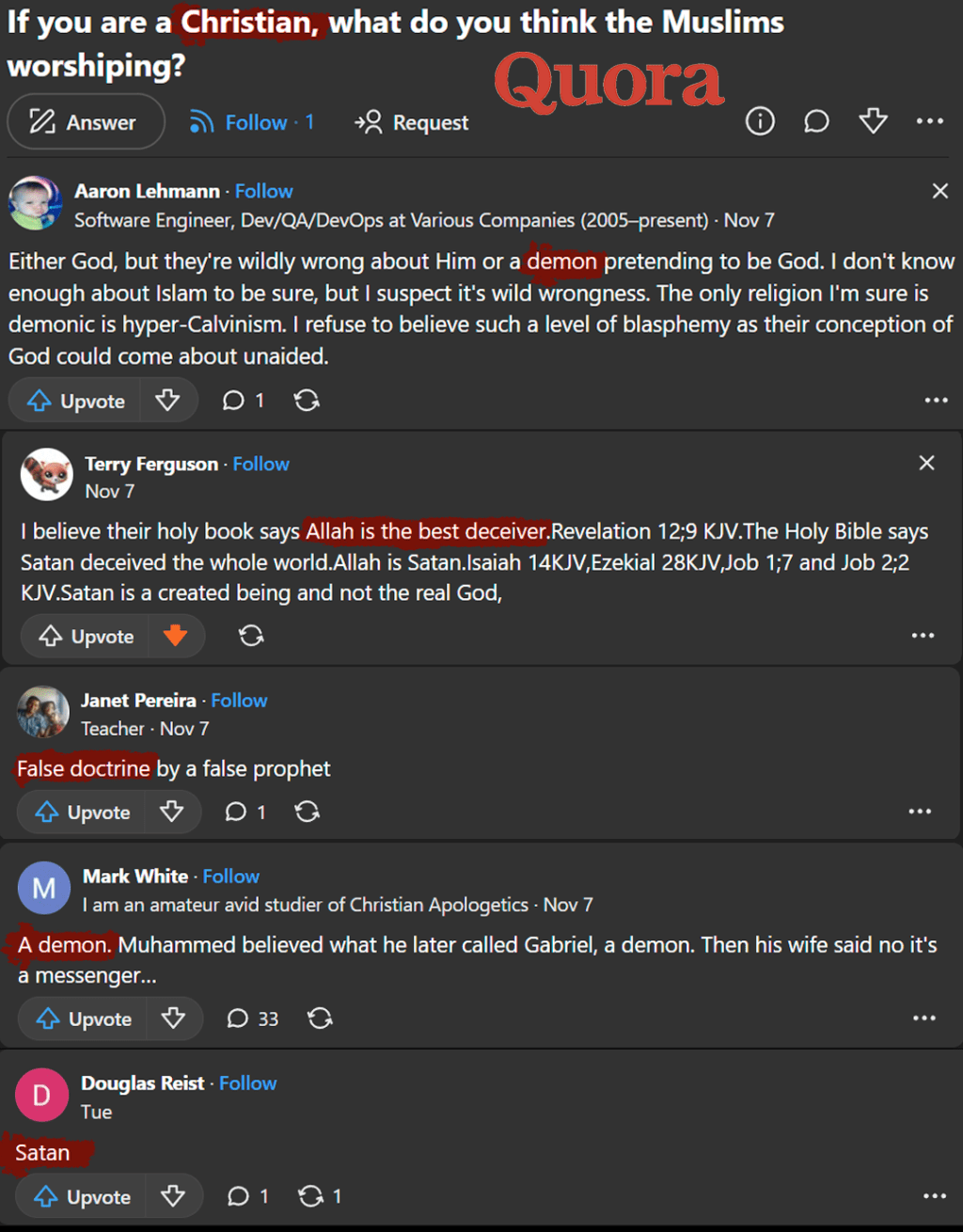



 Infiniti Islam
Leave a comment