


Introduction
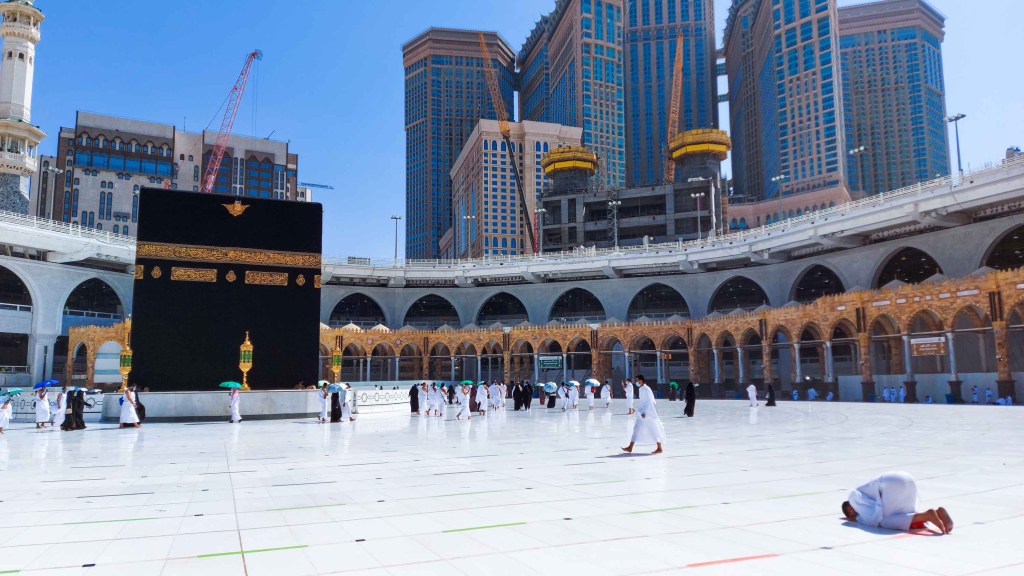
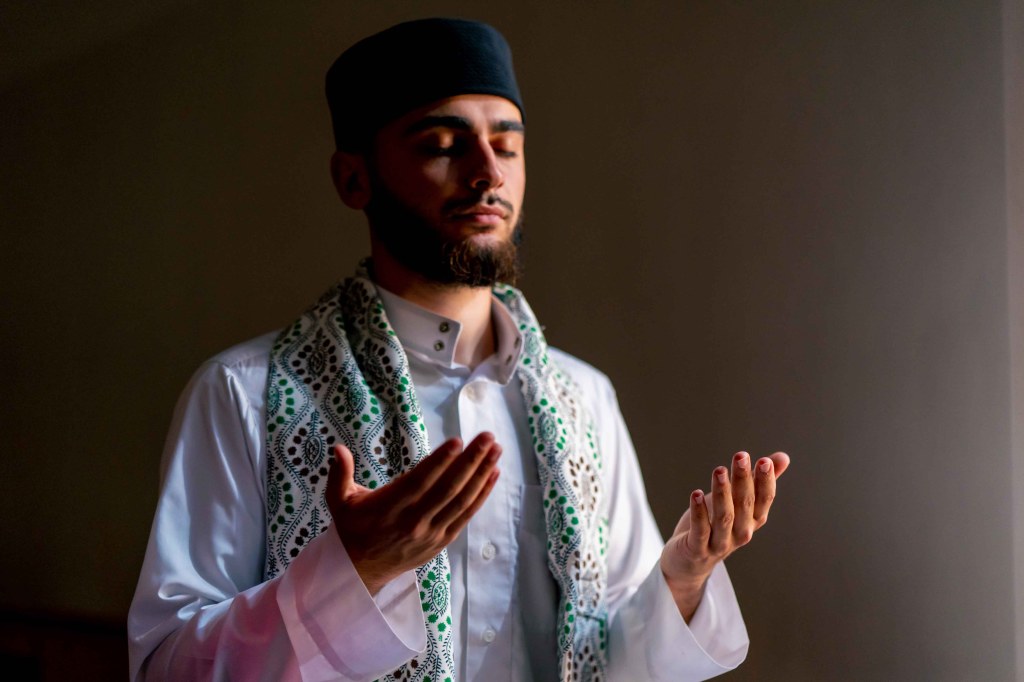
The five daily prayers are the essence of a Muslim’s life. They are not just obligations but also practices mandated since the event of Isra’ and Mi’raj. Through prayer, we find peace, purify our hearts, and strengthen our relationship with Allah SWT, making it the center of every Muslim’s spiritual life.
The Commandment of Prayer in the Quran and Sunnah
The obligation of the five daily prayers in Islam is stated in the Quran and Hadith, which clearly show that it is a mandatory act for every Muslim. Below are the main evidences:
- Evidence from the Quran:
Surah An-Nisa’, verse 103:
“Indeed, prayer has been decreed upon the believers a decree of specified times.”
Surah Al-Baqarah, verse 43:
“And establish prayer, give zakah, and bow with those who bow [in worship and obedience].”
- Evidence from Hadith
This hadith is narrated by Ubadah bin Somit R.A:
The Prophet Muhammad SAW said: “The five daily prayers that Allah SWT has made obligatory upon His servants; whoever performs them and does not neglect them out of carelessness, Allah SWT will establish a promise with him on the Day of Resurrection to admit him into Paradise.”
Sunan Abi Dawud (1420), Sunan Ibn Majah (1401), and al-Muwatta’ (268)[1]
Hadith narrated by Tolhah bin ‘Ubaidillah R.A:
A man from Najd with unkempt hair came to the Prophet Muhammad SAW. We heard his loud voice but did not understand what he was saying until he came closer, and we realized he was asking about Islam. The Prophet Muhammad SAW replied: “You must pray five times a day and night.” The man asked, “Do I have to pray anything else?” The Prophet SAW replied, “No, unless you wish to perform voluntary prayers.”
Sahih al-Bukhari (46) and Sahih Muslim (11) [1]
The Uniqueness of the Five Daily Prayers
Prayer is not just an obligation but also a gift from Allah SWT to the Muslim community. Through prayer, we establish a direct relationship with our Creator, cleanse our souls, and strengthen our faith. Some of the benefits included in the five daily prayers are as follows:
- Fajr: Starting the day by remembering Allah, providing spiritual strength to face daily challenges.
- Dhuhr: A time to rest and renew energy for the rest of the day with blessings.
- Asr: Reminding us of the importance of using time wisely before the day ends.
- Maghrib: Soothing the soul after a day’s work and dedicating the evening to worship.
- Isha: Closing the day with supplication and surrendering all affairs to Allah.
Additional Wisdom of the Five Daily Prayers
Prayer is not merely a ritual worship but also brings significant benefits to life:
- Cleanses the Heart: Prayer is a moment for self-reflection, where we seek forgiveness and renew our intentions to improve.
- Personal Boundaries: By ensuring we consistently perform prayers, we protect ourselves from committing sins out of shame before facing Allah in our next prayer.
- Improves Discipline: Through five daily prayers, we learn to value time and prioritize worship.
- Symbol of Cleanliness: We are required to be in a state of purity when performing prayers. Aside from spiritual requirements, ablution also cleanses the parts of our body used in prayer from any impurities.
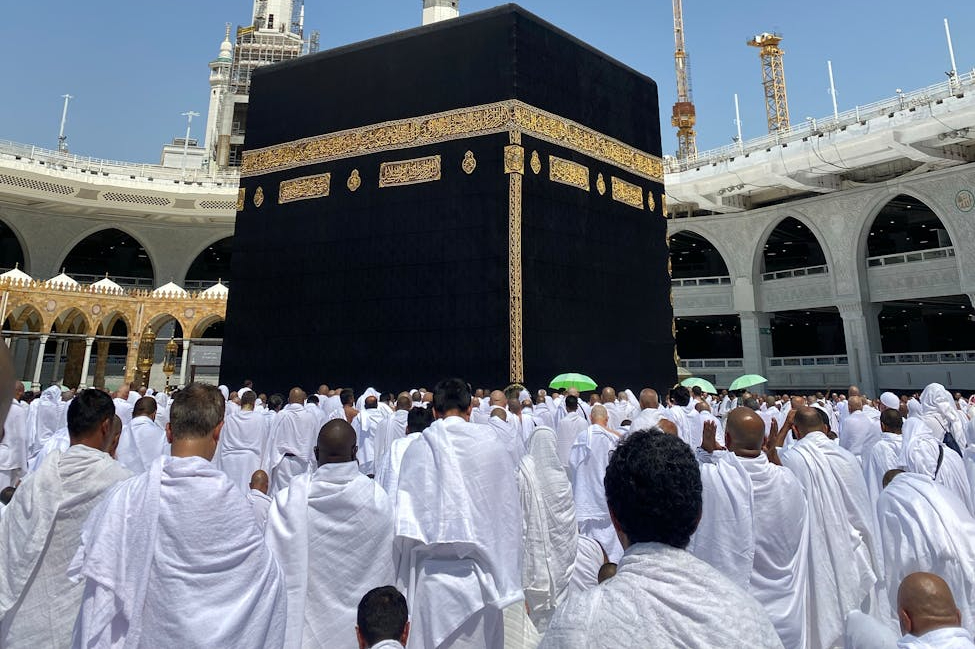
- Unites the Community: In congregational prayers, we strengthen Islamic brotherhood regardless of race or status.
- Inner Peace: Prayer provides inner tranquility through remembrance and supplication.
Challenges and Motivation to Maintain Prayer
Sometimes, maintaining the five daily prayers can be challenging, especially for those busy with worldly matters. However, Allah SWT promises immense rewards for those who consistently pray. Remember, prayer is our expression of gratitude to Allah for all the blessings given to us.
Conclusion
The five daily prayers are the foundation of a Muslim’s life that cannot be neglected. They are not just commands but also a mercy that brings us closer to Allah SWT. By maintaining prayer, we safeguard our relationship with the Creator and ensure our souls are protected from heedlessness.
Let us make prayer a priority and the pillar of every aspect of our lives. Through it, we will achieve success in this world and the hereafter.
Fundamentals of Believe | Pillars of Faith | Pillars of Islam | Al-Quran | History


Citation:
- Mufti Wilayah Persekutuan. (n.d.). Irsyad al-Fatwa Siri Ke-379: Mengapa Mazhab Hanafi Mewajibkan Solat Witir? Retrieved from https://muftiwp.gov.my/en/artikel/irsyad-fatwa/irsyad-fatwa-umum-cat/4050-irsyad-al-fatwa-siri-ke-379-mengapa-mazhab-hanafi-mewajibkan-solat-witir



 Infiniti Islam