

Introduction
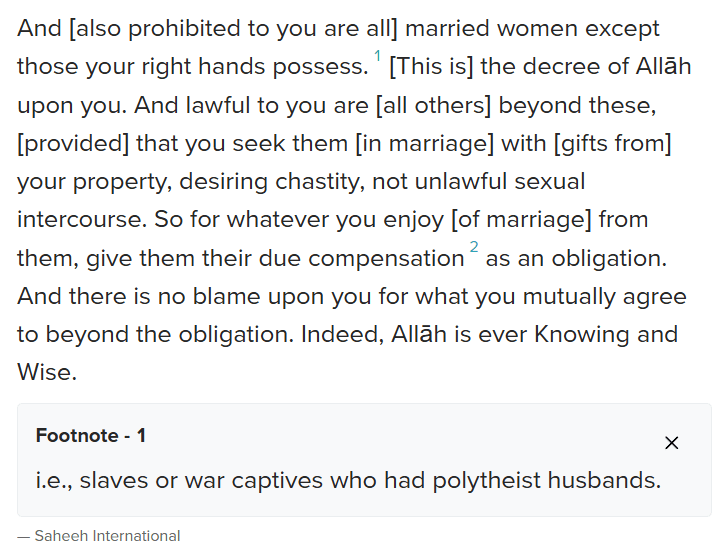
The phrase “what your right hands possess” (Arabic: ما ملكت أيمانكم, ma malakat aymanukum) appears in the Quran and has often been misrepresented by critics and Islamophobes to portray Islam as a religion that condones slavery, exploitation, or unethical practices such as force sex. The verses that consists of this terms are Surah An-Nisa (4:24), Surah An-Nur (24:33), Surah Al-Ahzab (33:50), Surah Al-Mu’minun (23:6), and Surah Al-Maarij (70:30).
This article aims to clarify the context, significance, and ethical framework surrounding this concept while addressing the common misconceptions.
The Historical Context of “What Your Right Hands Possess”
Slavery has been a common—if often fluid and complex—condition in most
world societies throughout history.[1] Enslaved individuals, often prisoners of war, were treated as property without rights or dignity. Islam did not instantly abolish slavery but introduced a revolutionary framework to regulate, humanize, and ultimately eradicate it.
The term “what your right hands possess” specifically refers to individuals captured in war and brought under the protection of Muslim households.
The Quran addresses this reality with a dual focus:
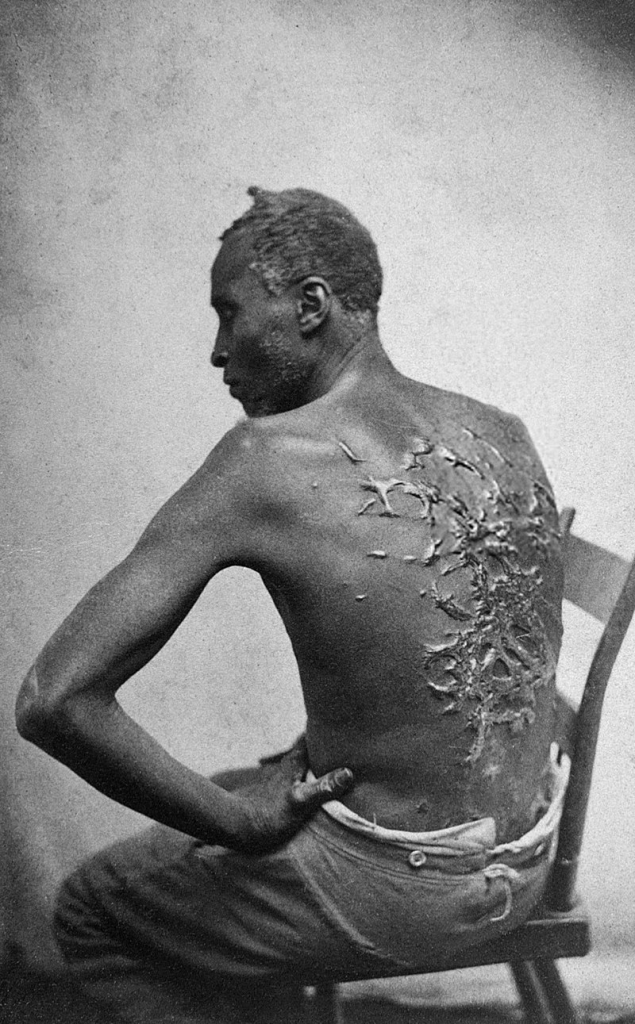
- Humane Treatment: Islam established strict guidelines for the ethical treatment of enslaved individuals. They were considered part of the household and entitled to food, clothing, and dignity. The Prophet Muhammad (peace be upon him) said:
“Slaves are your brothers, so feed them with the like of what you eat.”
Sahih al-Bukhari 2545 - Gradual Abolition: Islam encouraged manumission (freeing of slaves) as a virtuous act. Freeing a slave was a common expiation for sins, and Zakat (charity) could be used for this purpose. Verses like Surah An-Nur (24:33) encourage Muslims to assist slaves in gaining their freedom through contracts (mukatabat):
“And if those among you whom your right hands possess seek a contract [for freedom], then make a contract with them if you know there is within them goodness…”
(Surah An-Nur 24:33)
Wisdom Of The Practice
There is a wisdom of war captives that people often fail to see. It reduces casualty! If they have surrender, there is no need to kill them. Being captives then became slaves under Islamic rule is not bad at all as Rasulullah has ordained good conduct towards them as recorded in hadith:
Abu ‘Aziz ibn ‘Umayr reported:
I was among the prisoners of war on the day of the battle of Badr. The Messenger of Allah, peace and blessings be upon him, said, “I enjoin you to treat the captives well.” I was among the Ansar after I accepted Islam. When lunch or dinner time arrived, I would feed dates to the prisoners, for I had been fed bread due to the Messenger of Allah’s command.
Furthermore, the captives who later became slaves can seek for freedom:
And those who seek a contract [for eventual emancipation] from among whom your right hands possess – then make a contract with them if you know there is within them goodness and give them from the wealth of Allah which He has given you.
Surah An-Nur 24:33
And what can make you know what is [breaking through] the difficult pass?
It is the freeing of a slave.Surah Al-Balad 90:12-13
That’s explain this phenomenon:
Slavery in Other Scriptures
The Bible
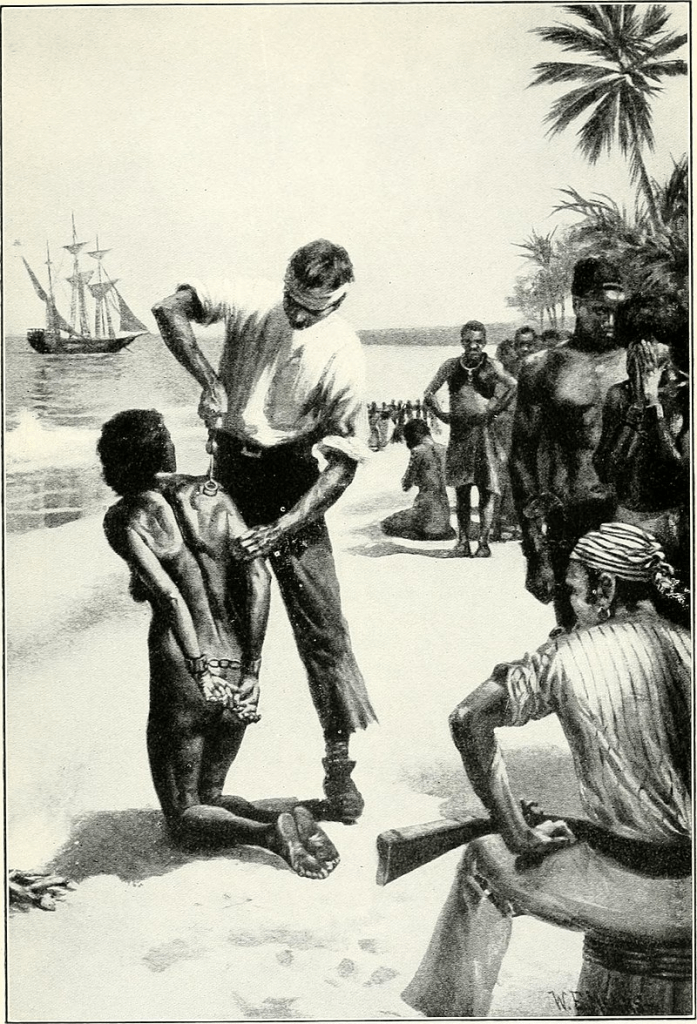
Slavery is explicitly mentioned and regulated in the Bible, often in ways that normalize its practice:
- Old Testament Laws:
- Exodus 21:20-21: “Anyone who beats their male or female slave with a rod must be punished if the slave dies as a direct result, but they are not to be punished if the slave recovers after a day or two, since the slave is their property.”
- Leviticus 25:44-46: “Your male and female slaves are to come from the nations around you; from them you may buy slaves. You may also buy some of the temporary residents living among you and members of their clans born in your country, and they will become your property. You can bequeath them to your children as inherited property and can make them slaves for life, but you must not rule over your fellow Israelites ruthlessly.”
- Exodus 21:20-21: “Anyone who beats their male or female slave with a rod must be punished if the slave dies as a direct result, but they are not to be punished if the slave recovers after a day or two, since the slave is their property.”
- New Testament Endorsements:
- Ephesians 6:5: “Slaves, obey your earthly masters with respect and fear, and with sincerity of heart, just as you would obey Christ.”
- 1 Timothy 6:1-2: “All who are under the yoke of slavery should consider their masters worthy of full respect, so that God’s name and our teaching may not be slandered. Those who have believing masters should not show them disrespect just because they are fellow believers. Instead, they should serve them even better because their masters are dear to them as fellow believers and are devoted to the welfare of their slaves.”
While some argue these verses reflect the historical norms of their time, they show that slavery was deeply entrenched and often endorsed in biblical traditions.
Hindu Scriptures
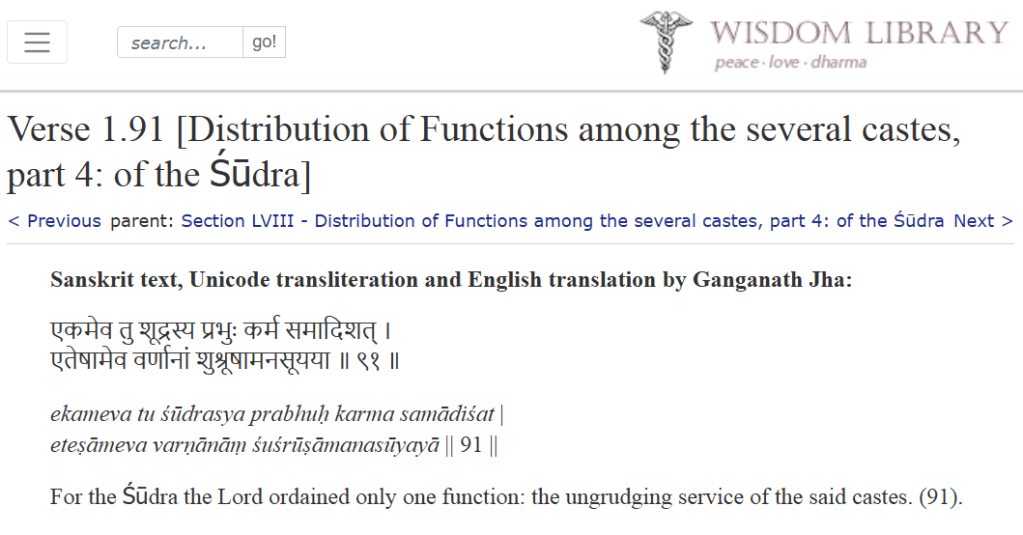
Hindu texts also contain references to slavery in the Varna System (Social Class), which institutionalized social hierarchy:
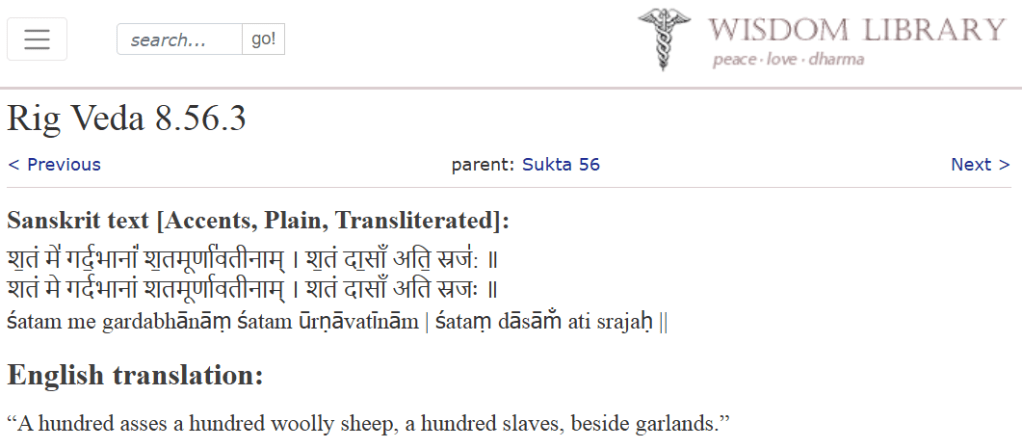
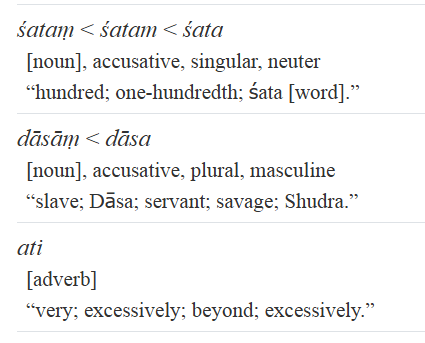
1. Manusmriti (The Laws of Manu) & Rig Veda:
The Manusmṛti (Sanskrit: मनुस्मृति), also known as the Mānava-Dharmaśāstra or the Laws of Manu, is one of the many legal texts and constitutions among the many Dharmaśāstras of Hinduism.[4]

– images attached to the link sources
2. Slavery-Like Practices in the Varna System:
The Varna System in Hinduism, which some might interpret as the caste system (though not synonymous with slavery), relegated entire classes of people. In this system, Sudras were the lowest class, and their sole role was to provide ungrudging service to the other classes. This social structure persisted for centuries, drawing many parallels to slavery in other societies.
The Ethical Framework of Islam
Unlike the unregulated and often abusive systems of slavery in other civilizations, Islam imposed significant limitations and obligations on the institution:
- Dignity and Rights:
- Enslaved individuals could not be mistreated or overburdened.
- They had the right to marriage, freedom, and integration into society.
- Prohibition to compelling the slave girls into prostitution.
“Your slaves are your brethren upon whom Allah has given you authority. So, if one has one’s brethren under one’s control, one should feed them with the like of what one eats and clothe them with the like of what one wears. You should not overburden them with what they cannot bear, and if you do so, help them (in their hard job).”
Sahih al-Bukhari, Book 49, Hadith 15 [7]
“And do not compel your slave girls to prostitution, if they desire chastity, to seek [thereby] the temporary interests of worldly life. And if someone should compel them, then indeed, Allāh is [to them], after their compulsion, Forgiving and Merciful.”
Surah An-Nur 24:33
- A Path to Freedom:
- Freeing slaves was highly rewarded in Islam. Apart form mentioned hadiths above, the Prophet (peace be upon him) said:
“Whoever frees a Muslim slave, Allah will free every part of his body from the Hellfire in return for every part of the slave’s body.”
(Sahih Bukhari 6715, Sahih Muslim 1509) [5][6]
This is indirectly a blessing to the slaves who later decided to embrace Islam during their service to the masters due to the good treatment they received. A path to freedom. In fact, Zayd ibn Harithah was a slave boy Rasulullah treated and regards him as if as he is Rasulullah’s own son.
- Freeing slaves was highly rewarded in Islam. Apart form mentioned hadiths above, the Prophet (peace be upon him) said:
- Ending the Practice:
- By limiting the sources of enslavement and promoting emancipation, Islam laid the groundwork for the eventual abolition of slavery. Scholars widely agree that had Islam’s principles been universally applied, slavery would have ceased long before modern abolition movements.
Misuse of the Versea by Islamophobes
Islamophobes often cite Quranic verses such as Surah An-Nisa (4:24) and Surah Al-Ahzab (33:50) out of context to claim that Islam condones slavery and exploitation. These claims ignore the historical reality and the Quran’s transformative approach to this issue. For example:
- Distortion of Context: Critics overlook the fact that Islam’s regulations on slavery were revolutionary for its time. Instead of condoning the practice, these verses reformed it, limiting abuses and emphasizing humane treatment.
- Ignoring Reforms: The Quran and Hadith consistently promote freeing slaves and integrating them into society as equals. This progressive approach is often ignored in favor of selective misinterpretation.
- False Equivalences: Islamophobes equate historical regulations with endorsement, failing to recognize that Islam’s teachings aim to guide society toward justice and equality over time, addressing entrenched social norms gradually.
Addressing Misconceptions
- Islam as a Liberating Force: While Islam acknowledged the reality of slavery in its era, it sought to reform and eventually abolish it. By making manumission a virtuous act and regulating the treatment of enslaved individuals, Islam paved the way for their liberation.
- Comparison with Other Societies: Unlike other civilizations where slavery persisted unchecked for centuries, Islam’s approach introduced ethical boundaries and the concept of freedom as a moral imperative.
- The Modern Era: The principles of Islam are timeless. Although the institution of slavery no longer exists in most of the world, Islam’s emphasis on human dignity and equality remains relevant, demonstrating that these teachings were never meant to perpetuate injustice.
Conclusion
The phrase “what your right hands possess” reflects Islam’s approach to a complex social issue within its historical context. Far from condoning exploitation, Islam established a framework to humanize and eventually eliminate slavery. The selective misrepresentation of these verses by Islamophobes ignores the broader ethical teachings of Islam, which emphasize justice, compassion, and equality.
Understanding the historical and ethical context of these verses is essential for appreciating Islam’s transformative impact on society. As Muslims, it is our duty to clarify these misconceptions and highlight the wisdom and justice of Islamic teachings.
Citations:
- Pargas, D. A., & Schiel, J. (Eds.). (2023). The Palgrave Handbook of Global Slavery Throughout History. Palgrave Macmillan. https://doi.org/10.1007/978-3-031-13260-5
- Sunnah.com. (n.d.). Sahih al-Bukhari, Book 51, Hadith 5 (Slaves are brothers). Retrieved December 26, 2024, from https://sunnah.com/bukhari:2545
- Elias, A. (2014, September 7). Prophet Muhammad\u2019s directive to treat prisoners of war well. Daily Hadith Online. Retrieved from https://www.abuaminaelias.com/dailyhadithonline/2014/09/07/prophet-treat-prisoners-well/
- Wikipedia contributors. (n.d.). Manusmriti. In Wikipedia. Retrieved December 26, 2024, from https://en.wikipedia.org/wiki/Manusmriti
- Sahih al-Bukhari. Book 83, Hadith 36. Sunnah.com. (Freeing slave) Retrieved from https://sunnah.com/bukhari:6715
- Sahih al-Bukhari. (n.d.). Book 83, Hadith 36. Sunnah.com. (Freeing slave) Retrieved from https://sunnah.com/bukhari:6715
- Al-Bukhari, M. I. Sahih al-Bukhari, Book 49, Hadith 15. (Slaves are brothers) Retrieved from https://sunnah.com/bukhari:2545




 Infiniti Islam
Leave a comment