

It is He who created you from dust, then from a sperm-drop, then from a clinging clot; then He brings you out as a child;
Introduction
One of the contentions from critics challenging the miracles and majesty of the Quran is their interpretation of Surah Ghafir (40:67), as mentioned above. At first glance, it may seem that the author of the verse is confused about the process of human reproduction.
This is what the critics often claim. They assert that Allah does not know what He is saying, accusing Him of making mistakes and pointing out that no baby is created from clay. Na’uzubillahiminzalik (I seek refuge from such a notion).
In this article, we will address the failure of these critics to comprehend the wisdom that Allah has revealed to mankind.
Continuation of Humanity Since The First Human
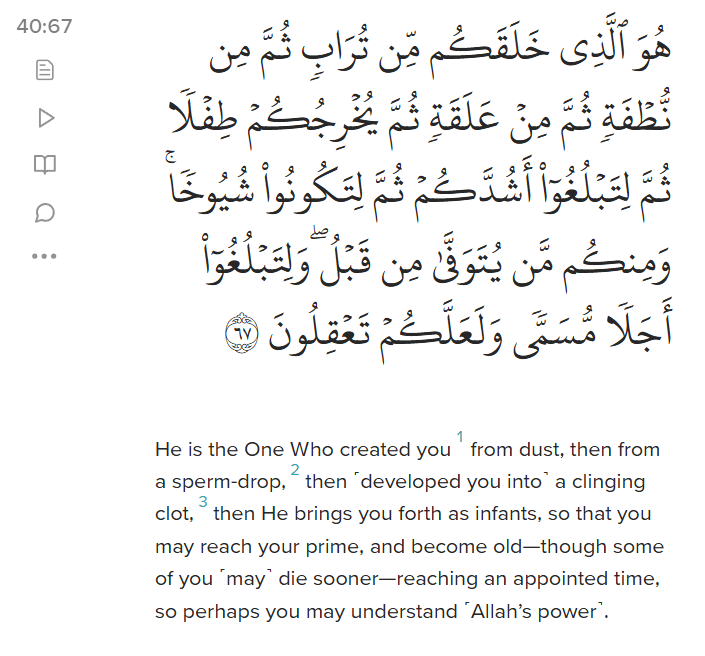
The early part of verse 40:67, “It is He who created you from dust,” reflects the creation of Adam (PBUH), the first human being. The remainder of the verse describes the process of human reproduction, which ensures the continuation of humanity.

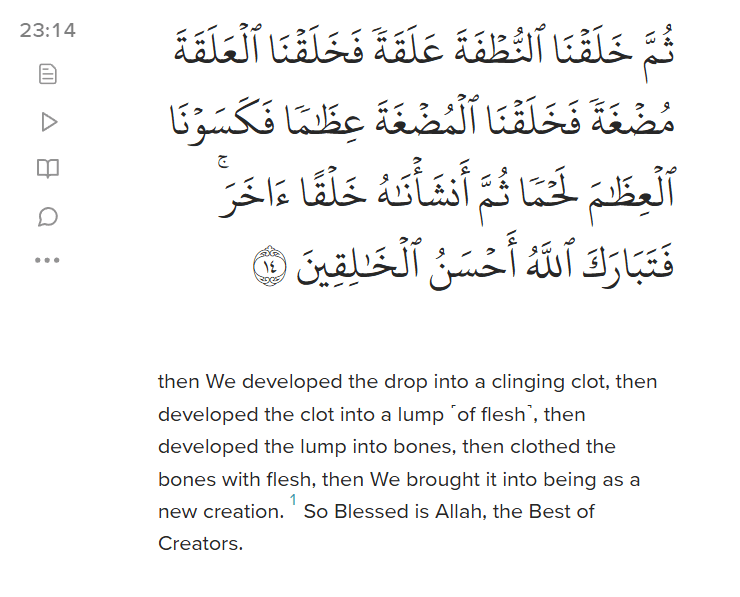
The same is true for verse 23:12: “And certainly did We create man from an extract of clay…” The subsequent verses then describe the process of human reproduction.
While scientifically, the elements in the human body (carbon, hydrogen, oxygen, nitrogen, etc.) are also found in soil and clay, [1][2][3][4] the stages of reproduction mentioned in these verses also align with scientific discoveries.
The mention of human creation in this manner illustrates how mankind was first created from clay, and then the continuation of his descendants was brought forth through sperm. This also serves as a reminder for us to reflect on how insignificant we are in comparison to The Creator.
Please don’t expect the Quran to be as detailed as The Developing Human: Clinically Oriented Embryology. The Quran is a book of guidance, not a scientific textbook that explains every biological process step by step.
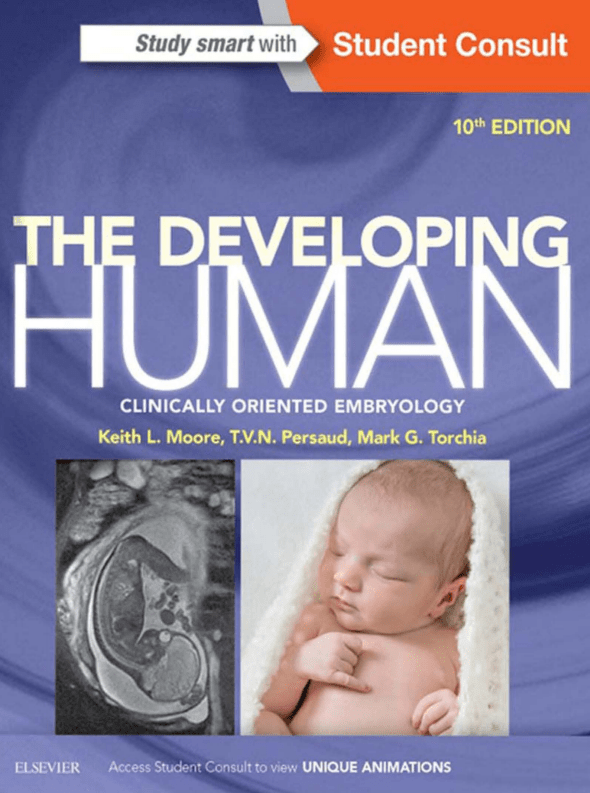
The book I mentioned above however written by Dr. Keith L Moore, Professor of Anatomy and Cell Biology at the University of Toronto, who completed his discovery from the verses in Al-Quran.[5][6]

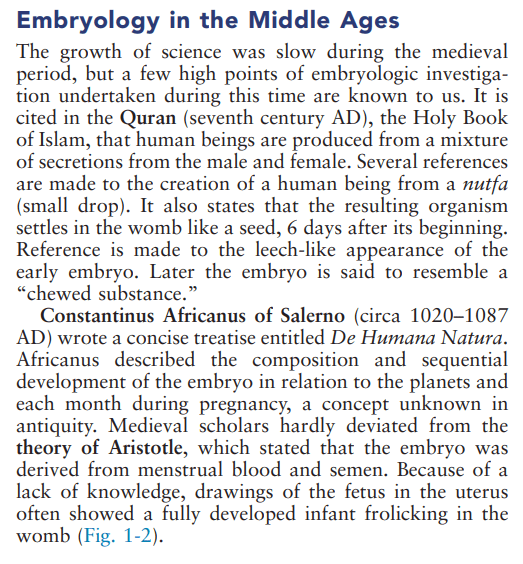
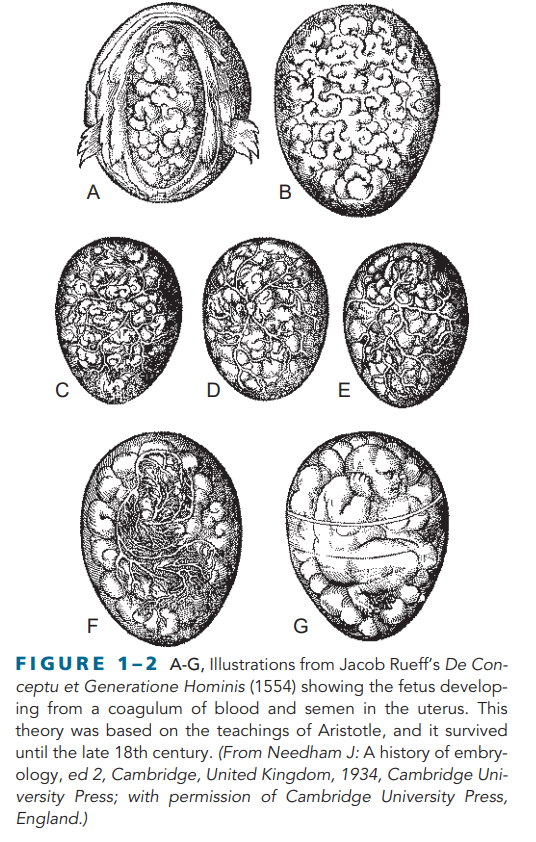
of the embryo
It is difficult to believe that a professor of such caliber would fail to grasp the context of the contested verses often cited by critics and opponents of Islam. It seems unlikely that someone with his level of expertise would misunderstand these so-called “discrepancies.” Rather, it appears more plausible that the interpretation of those rejecting Islam is influenced by bias or a deliberate attempt to misconstrue the verses to suit their narrative. This allows them to continue rejecting Islam and avoid adhering to its rules, laws, and regulations.
Conclusion
In conclusion, those who dismiss the Quran’s wisdom due to their ignorance and lack of understanding in fields like biology and embryology only expose their own shortcomings. Their efforts to undermine Islam by misinterpreting its verses reveal their inability to grasp even the basics of what they attempt to criticize. It is ironic that these individuals, who pride themselves on intellectualism, fail to approach the Quran with the humility and open-mindedness necessary for true comprehension.
Allah describes such people aptly in the Quran:
“And when it is said to them, ‘Follow what Allah has revealed,’ they say, ‘Rather, we will follow that which we found our fathers doing.’ Even though their fathers understood nothing, nor were they guided?”
Surah Al-Baqarah 2:170
Instead of wasting their time and energy on futile attempts to discredit the Quran, it would be far more beneficial for them to channel their efforts into pursuits that contribute positively to society and their own well-being. Engaging in meaningful discussions with sincerity and genuine curiosity, rather than mockery and arrogance, would lead to a far more fruitful outcome for everyone involved.
To those critics, it’s a humble reminder: use your intellect wisely and reflect on the guidance that has been provided for your benefit. Misguided efforts to attack Islam will neither harm the truth of its message nor diminish its majesty—it only reveals the ignorance of those who try.
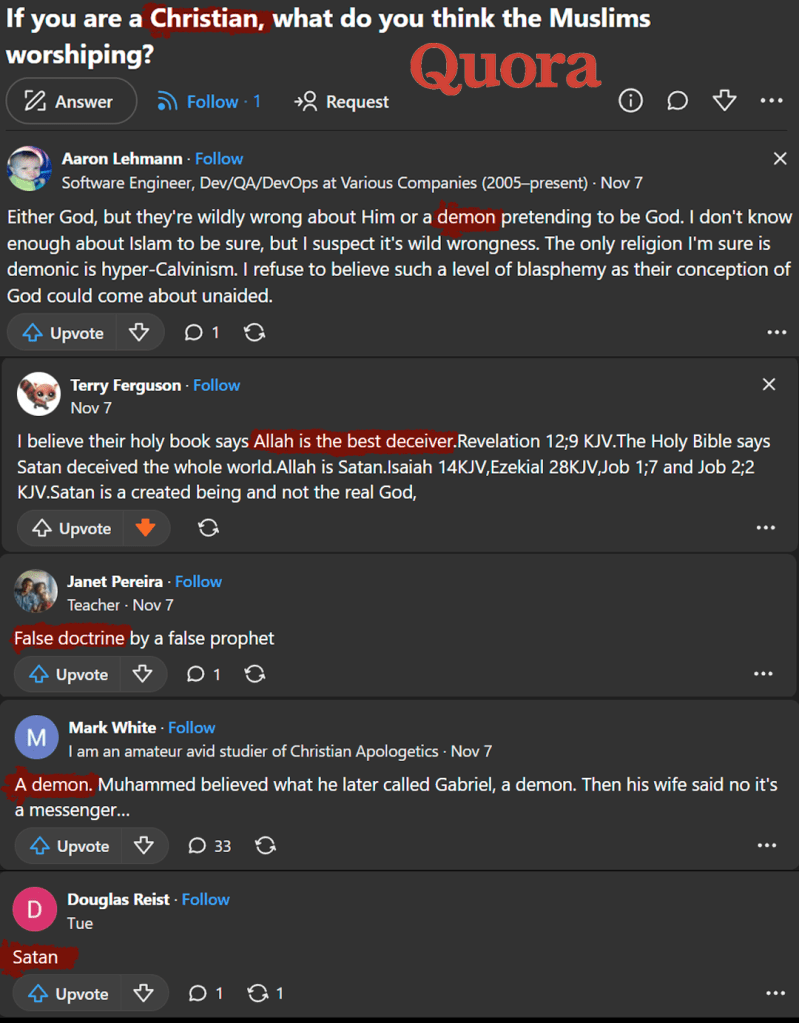
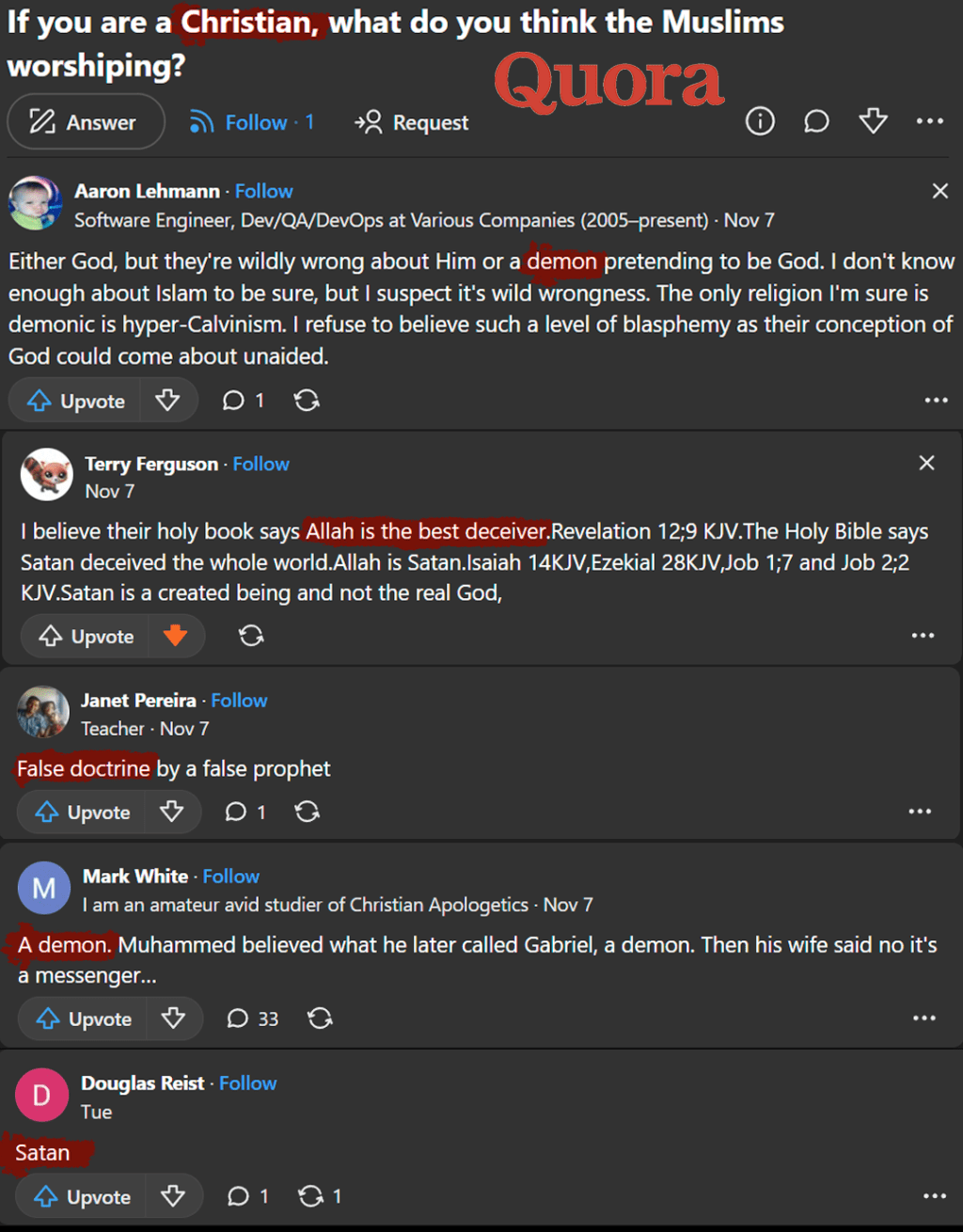
Answering accusations of:
Worshiping | Immorality | Terrorism | Scientific | Nonsense








Citations:
- Study.com. (n.d.). Comparing elements on Earth to those in the human body. Retrieved January 12, 2025, from https://study.com/academy/lesson/comparing-elements-on-earth-to-those-in-the-human-body.html
- Taylor, L. S., Gonzalez, A., Essington, M. E., Lenaghan, S. C., Stewart, C. N., Mundorff, A. Z., Steadman, D. W., & DeBruyn, J. M. (2023). Soil elemental changes during human decomposition. PLOS ONE. Published June 13, 2023. Retrieved January 12, 2025, from https://pmc.ncbi.nlm.nih.gov/articles/PMC10263346/
- Author(s). (2022). The scientific miracle in the compatibility between the chemical composition of the human body and the geochemical composition of soil and clays. ResearchGate, pp. 133–143. Retrieved January 12, 2025, from https://www.researchgate.net/publication/362507890_THE_SCIENTIFIC_MIRACLE_IN_THE_COMPATIBILITY_BETWEEN_THE_CHEMICAL_COMPOSITION_OF_THE_HUMAN_BODY_AND_THE_GEOCHEMICAL_COMPOSITION_OF_SOIL_AND_CLAYS_PP_133_-_143_2022
- Author(s). (n.d.). Soils and human creation in the Holy Quran from the point of view of soil science. ResearchGate. Retrieved January 12, 2025, from https://www.researchgate.net/publication/331168886_Soils_and_Human_Creation_in_the_Holy_Quran_from_Point_of_View_of_Soil_Science
- Wikipedia contributors. (n.d.). Keith L. Moore. In Wikipedia. Retrieved January 12, 2025, from https://en.wikipedia.org/wiki/Keith_L._Moore
- Moore, K. L. (n.d.). The developing human: Clinically oriented embryology. Retrieved January 12, 2025, from https://www.academia.edu/44502808/The_Developing_Human_Clinically_Oriented_Embryology_by_Keith_L_Moore?source=swp_share



 Infiniti Islam
Leave a comment