

WHAT IS GOD?
The existence of God has been universally accepted by mankind throughout history. Different people view God and describe its nature in various ways. These differences depend on the lenses instilled by the belief system of the culture where we came from. But what is God really?
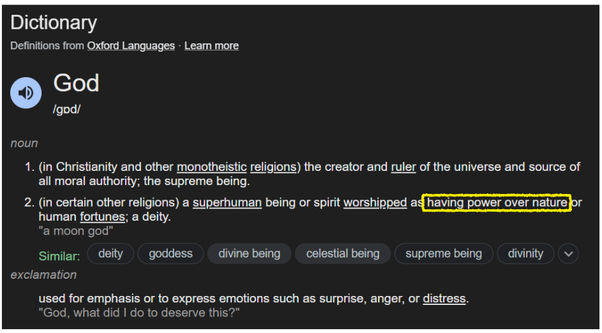
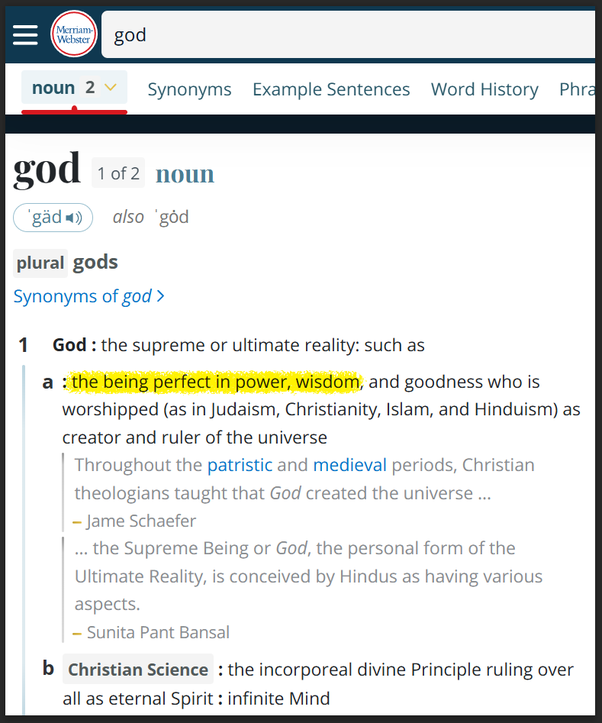
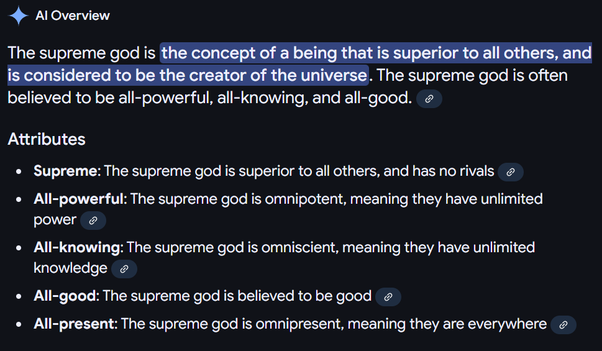
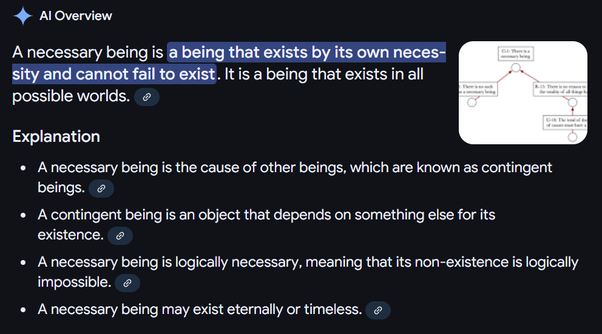
The bottom line is, God is powerful. That is the definition of God that humanity has agreed upon. You can see this in the screenshot provided above.
God has to be objective. Otherwise, even a flying noodle can be God, or probably just rodents because of the social construct. Even worse penises.
WHY GOD HAS TO BE OBJECTIVE & WHAT IS OBJECTIVITY?
The idea of God’s objectivity comes from the events in nature that everyone can observe and agree on. For example, no matter what religion people follow, we all see a solar eclipse the same way. The moon moves in front of the sun and blocks its light. This shows that the events happening in the universe are universal and don’t depend on personal beliefs.
It’s not like one person sees the moon blocking the sun, while the other perceives a dragon ate it.
So, it is logical to hypothesize that there is the same “something” that governs the universe. It created a system that aligns the moon and Earth so precisely that an eclipse can occur.
How do we find out who that “something” that has created the universe?
In philosophical arguments, we are proving that the “something” is a necessary cause. It is the cause who created the universal event like the Big Bang to happen.
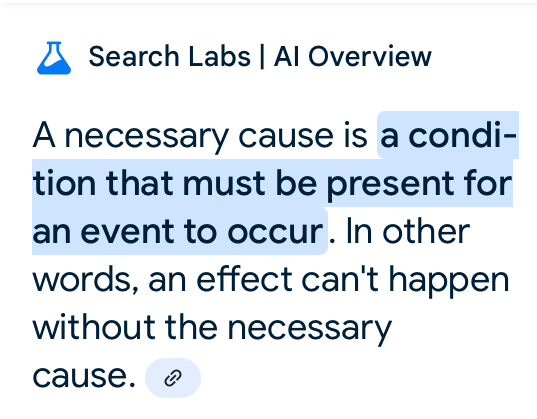
A necessary cause is required because the nature of the universe is contingent.
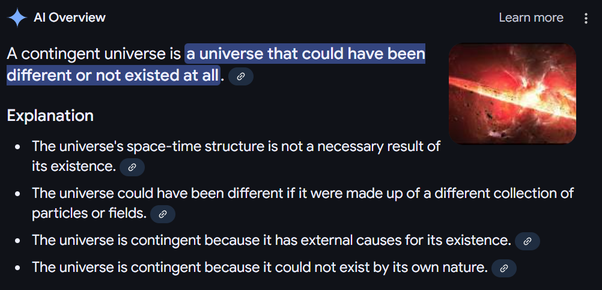
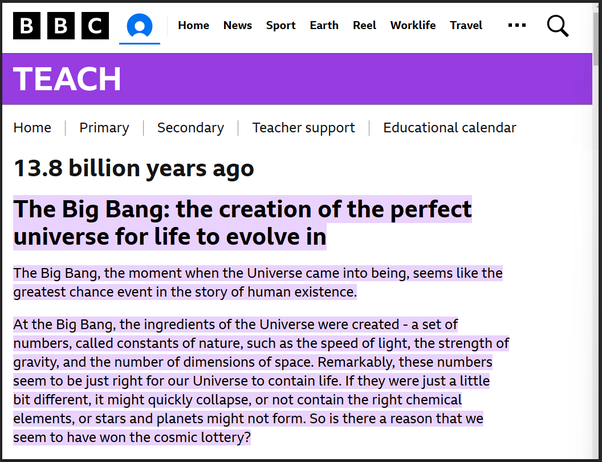
The universe being contingent means that it didn’t have to exist and it relies on something else for its existence. You might call it God, singularity, or a primordial atom. It could also be any other state before the Big Bang. The fact remains that something changed to bring the universe as we know it into being. Before the singularity….
…..was what?
The contingency of the universe suggests that an external cause is needed to make it happen. This involves a necessary being, agent, or Uncaused cause.
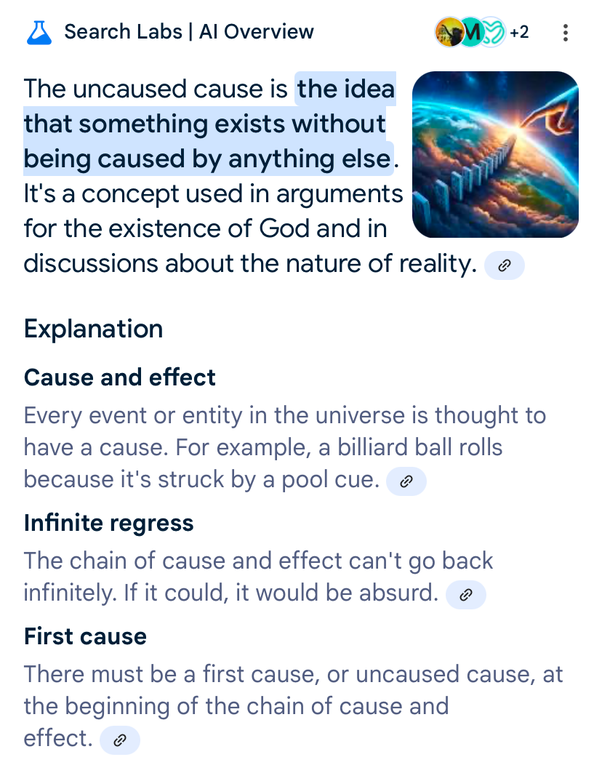
As THEISTS, we all agree that God is the first cause. Of course the atheists and those who reject the concept of The Creator will object to this proposition. I hate to say this. It is likely that those people are denying the scientific philosophy. They are also denying the laws of physics.
If we agree that God is the first cause, then we should agree that there is one universal God. This God is so powerful that it can make the Universe come into existence.
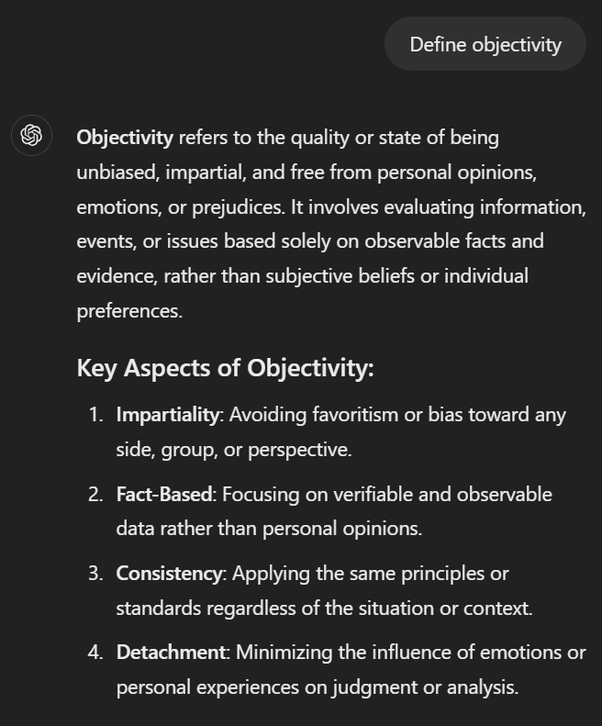
Hence, the God who brought this universe into existence should be described without the influence of one’s personal perspective, belief, and feelings considering the nature of our existence is universal in nature. This is objectivity.
It’s not something like the emergence of the Big Bang was the result of Thor smashing his hammer for one group of people, while the other speculate that the Big Bang was created from the body part of Ymir like in the Norse folklore when in fact, the scientists has observed and calculate that the Big Bang was started from a singularity.
In short, this God should be Universally accepted and He is the “cause” behind the Big Bang.
But why must we focus on the Big Bang and not an earthquake? Because without the Big Bang, we would never exist let alone the earthquake.
This logic constructs what we call the Cosmological Argument. The key point of this argument is:
- The universe requires an ultimate cause to exist, as dictated by the principle of causality.
- This cause is infinite in power and transcends space and time, as it created both with the existence of the universe.
- This cause must possess immense power to bring the universe into existence.
- This cause must have a will to initiate the creation, as it chose to bring the universe into existence rather than it happening by chance.
- This cause is unchanging in nature as the universe needs “the cause” who has created it to maintain and govern it.
In short, God is a necessary agent to make the first cause take place. The effect of it is the creation of the universe. If God can’t create and has no power then why is it being called God in the first place? Some theists hold the view that God shouldn’t have attributes. Well, that is equal to “powerless”.
Causational principle = effect is the result of the cause.
God with no attributes = no capability = no power = couldn’t be the cause.
This “the cause” who has created the universe must be “uncaused”, because if something else is required to cause the existence of “the cause”, then it will lead to an infinite regress.
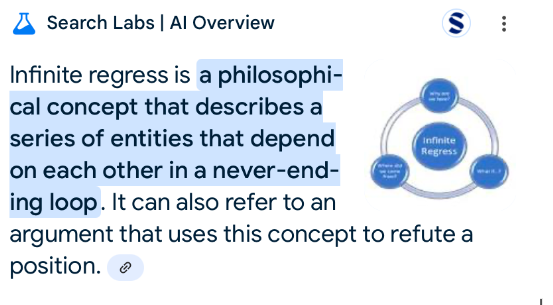
If we all can agree on the “uncaused cause” which is derived from objective observation and philosophy, then the moral also becomes objective, rooted in the will of this ultimate cause. We will discuss this further later.
In the meanwhile, let’s explore the alternatives.
COUNTER ARGUMENTS
1. Infinite Regression is Possible As Well As Cyclic Universe
They said, there is no need for the “first cause” as cause can extend infinitely into the past.
While sceptics argue that the first cause is just an hypothesis and there is no solid proof or arguments to support it, infinite regress is far more absurd and incoherent with logic, and it’s merely an hypothesis too.
At least in the “first cause” model, it complies with the causational principle. To see the absurdity of this model, let’s imagine the fall of dominoes.

If every domino needs another domino to fall before it, then how did it start in the first place? So here is the logical incoherence: without the first domino to fall, then the chain of falling would never occur. If the chain is indeed happening, then the first fall should occur so that the chain of falling is continuously happening. An infinite regress of causes would mean no starting point, and thus nothing would ever “begin.” This is what we call a logical paradox.
One argues that a round shape doesn’t have the starting point. Well, that is a fallacy caused by ignoring how it was drawn to make the shape.

It’s like we missed a part of the movie because we went to the toilet. In the scene we missed, someone jumped off a building in slow motion to reach the other side. But when we came back and saw him in the air, we quickly assumed he was flying without knowing what actually happened.

Similarly, the universe needs a first cause to explain its existence, the same way we need to know who draws the circle. This argument also refutes the pulsating and contracting universe or more popularly being called the cyclic universe.

The cyclic universe idea says that the universe isn’t a one-time event but goes through endless cycles of expansion, collapse, and rebirth; kind of like a cosmic reset button.
Simple question, how did the universe first time appear in the “no spacetime” before she did the pulsating contracting stuff?
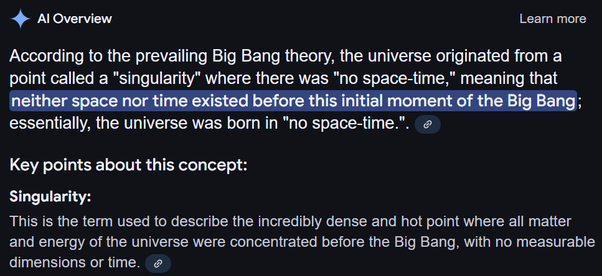

After all, this is a hypothesis too with no observable evidence!
2. The Universe Could Be Eternal
This argument is very common to negate the possibility that God or a Creator has caused the existence of the universe. However, there is a problem with this theory. It’s related to the second law of thermodynamics.
In this law if the universe were eternal and had existed for an infinite amount of time, it should have already reached this state of maximum entropy by now, where no usable energy is available to do work.
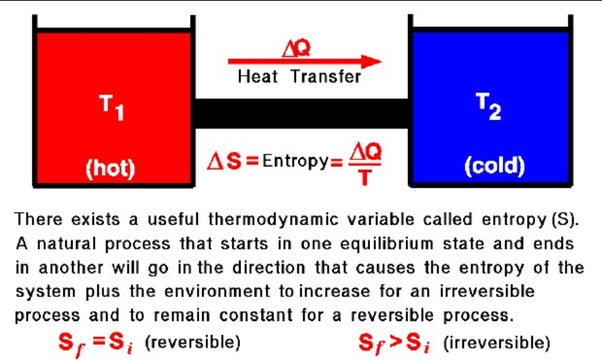
Here, imagine the hot energy being transferred to the cold to heat it. Sooner, the energy will be at the same level between the two and remain constant. (maximum entropy)
The fact that we still observe usable energy and ongoing processes (like stars burning, life existing) suggests that the universe is not eternal in its current form. If the universe is in the state of maximum entropy, no new stars will be re-born and everything will be stagnant in order.
If one argues that the universe simply hasn’t existed long enough to reach maximum entropy, this implies the universe has a beginning and is finite in age.
This is because eternity = maximum entropy.
In an eternal universe, energy would already have spread equally throughout, leaving no usable energy for processes like star formation or life.
Eternity = No usable energy available (heat death).
Scientific observations show that the universe is still moving toward “heat death.” This gradual decline in usable energy demonstrates that the universe is finite in age. It contradicts the concept of an eternal universe, where the process of heat death would already have been completed.
Eternity = heat death already occurred and energy has spread thoroughly.
Not only that, scientists also have predicted that the universe is dying, which contradicts with the concept of eternity.
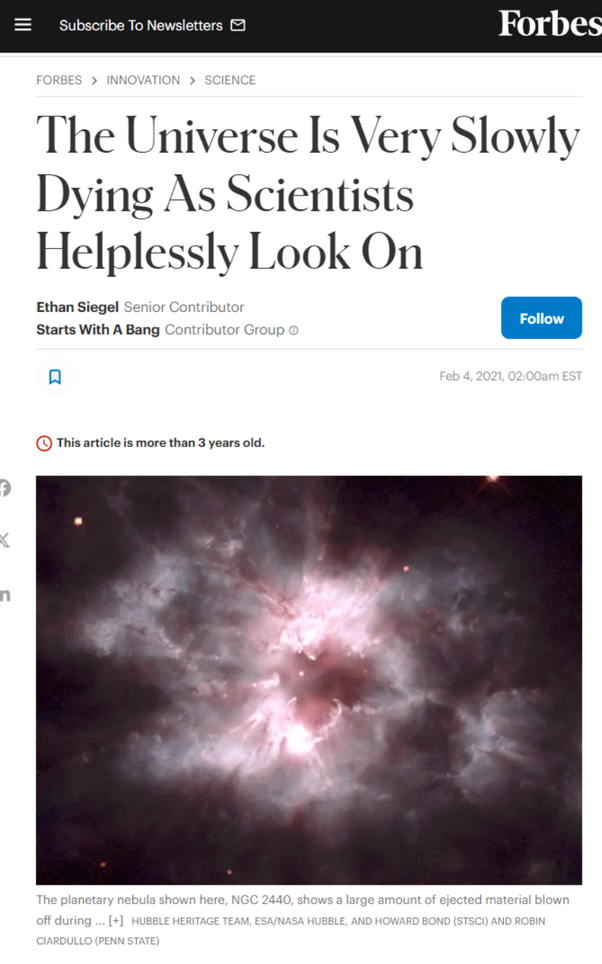
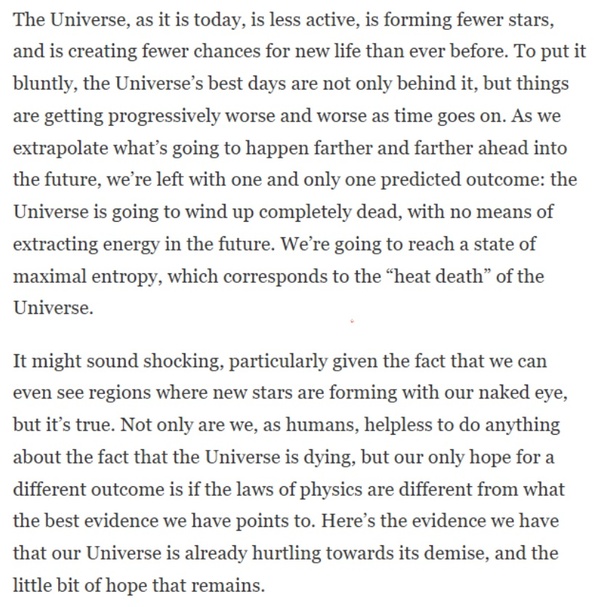
Eternity = Universe shouldn’t die!
3. The Big Bang Could Be Random or Self-Caused
From nothing, nothing comes. Ex-Nihilo. Period.
Anyone who accepts this idea can throw all the books of physics into the garbage.
“Wait a minute smart ass”
“What?”
“Ever heard of Quantum Physics?”
Yeah right.
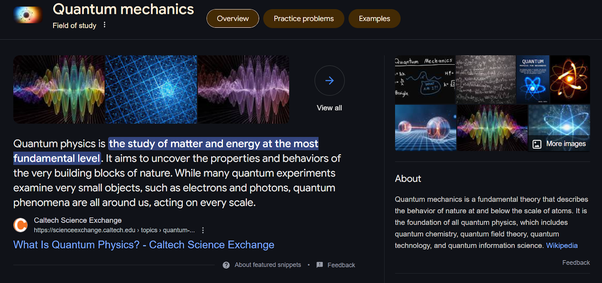
This field of knowledge is basically just talking about small particles stuff. It is said that particles can still “pop up” randomly even in the absence of classical matter or energy. However, all the experiments conducted to observe the phenomenon were conducted in the “spacetime” framework of our universe. We are now talking about stuff that occurred before space & time ever existed.
Even they did the experiment by mimicking the concept of “no spacetime” like the one they call Quantum Vacuum Experiment, it is not in the purest form of “no spacetime” because they just managed to make the quantum fields in near-perfect vacuums, where matter and energy density are extremely low.That’s it!
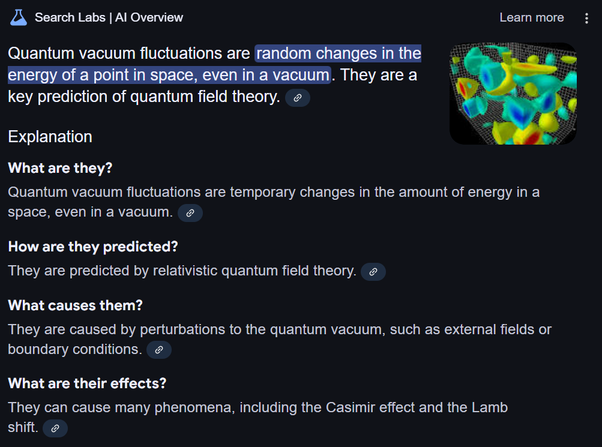
As long as they work in the spacetime of our universe, the laws of physics that govern this framework still apply. A true “no spacetime” environment would mean:
- No space for particles to exist.
- No time for events or quantum fluctuations to occur.
- One needs to fly outside the galaxy to get out of spacetime.
To be honest for me, the universe existed by chance and random is a joke.
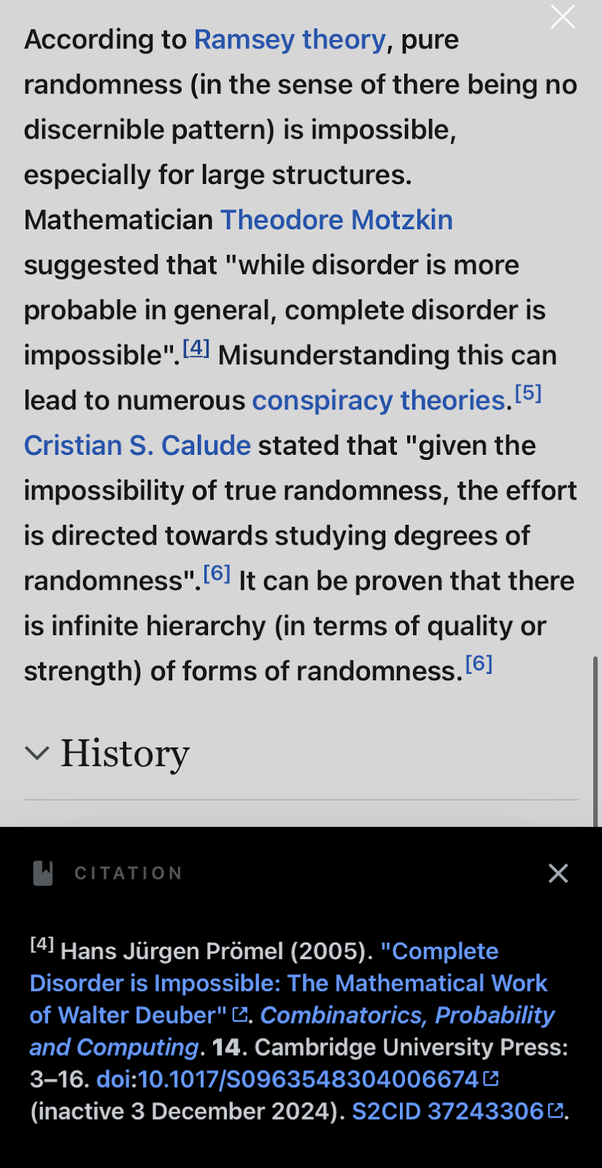
We all know that the universe is a crazy huge large structure. Not only impossible, but it will cause disorder if possible. The universe is way too organized to be random.
Spontaneity causes chaos not order,
and it will break, not build structure.
Then, Who Caused The First Cause?
Well, obviously not The Beyonder.

This bro can control and manipulate matter, energy, and reality at a cosmic level beyond all. However, his existence is contingent on the artist who has created him in the comic world. Lol.
As discussed earlier, it is God who is entitled to be honoured with this position. Yet, as we all know, there are millions of Gods people worshiped everyday invoking their names for many reasons. Thanks to Hinduism which has made our world rich with approximately 33 millions gods who specialized in different fields of human life.
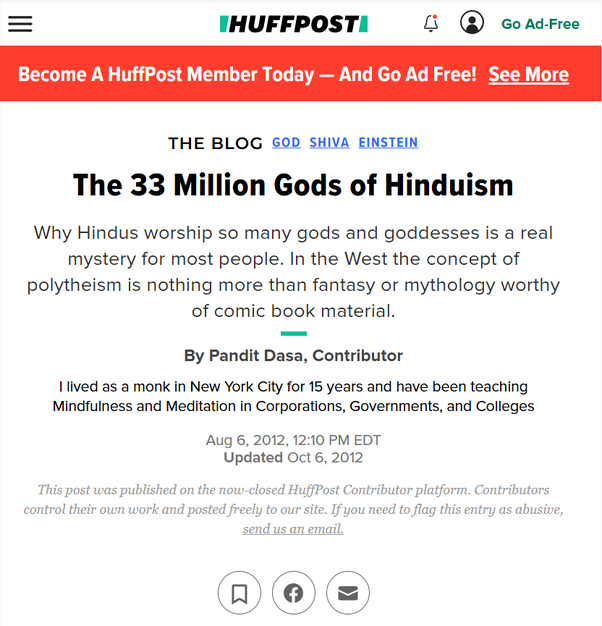
So, with all gods available to be worshipped including the Abrahamic’s, pantheons, and small deities, which one is the true God, the Magnificent and the Almighty, deserving of all praise and worship?
It needs to be objective, remember? If you ask me, as a Muslim probably I’ll be biased when inclining the answer to Allah, any Christian will say “Jesus died for your sins”, and many more like more than 33 millions including the pantheons.
We need someone who is unbiased, emotionless, non-sceptic but the reasoning is compelling. No, not atheists. They are hard-steel biased, skeptical and easily get agitated when talking about God as if they had hyperthyroidism syndrome. We need a robot.

After dismissing the alternatives for the “first cause” model which are against established scientific observation, I would like to break down the definition of God OBJECTIVELY as laid down by our friend, GPT shown above.
Let’s see if we have common ground, objectively.
A Supreme Entity
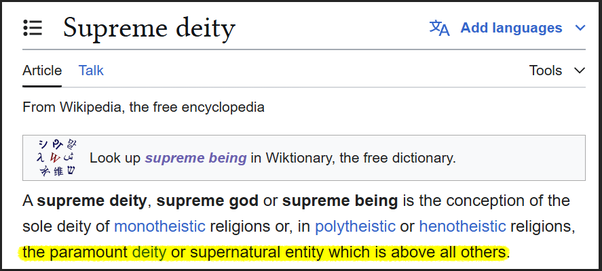
Straightforward, isn’t it? Pantheons and any small deities are obviously disqualified in this first round. Especially those “gods” who are dependent on the Godhead for its existence. Pantheons are disqualified because in their stories, they have been defeated, tricked or overthrown by other weak “gods”.
Can you name another God that has “head” above them? There are many! Who said I’m talking about Jesus (PBUH)?

Eternal
Obviously.
If God is not eternal, assuming He is gone by now, then who currently runs the show in the universe? You know, the death of stars, new stars appearing, the expansion and stuff. Not only that, the eternity of God is fundamental because it indicates that God has no beginning or end.
If God has a beginning, then the absurdity of logical paradox will take place. What created God?

Necessary being:
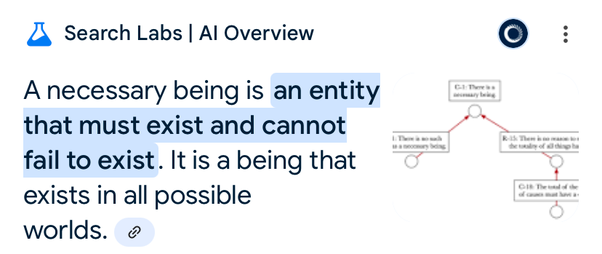
Without God, none of the models of the universe that we were discussing ever existed because the universe would never exist at all.
God is the only logical explanation that follows the principle of causation in accounting for the cause of the universe’s existence.
Transcendent Entity
It has to be this way. Otherwise, that so-called god is constrained in “spacetime” that only exists as the effect of the existence of the universe. That makes that “god” contingent because it relies on the existence of the universe, which is equal to weakness, and not supreme at all.
That is why some god can die where he exists in this mortal world.
Ultimate Cause of All Existence
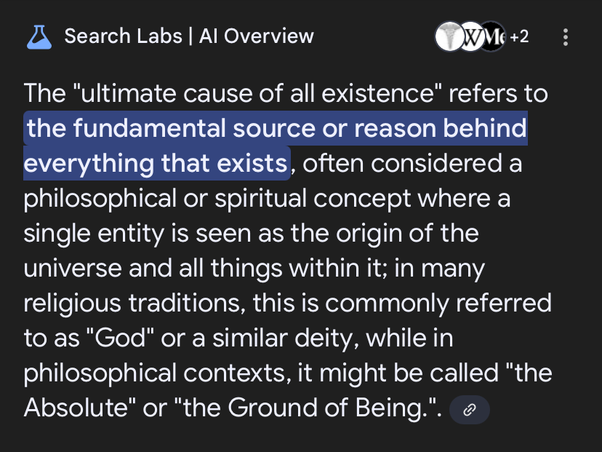
Simple and straightforward. No God, no existence.
Not Contingent and Self-sufficient
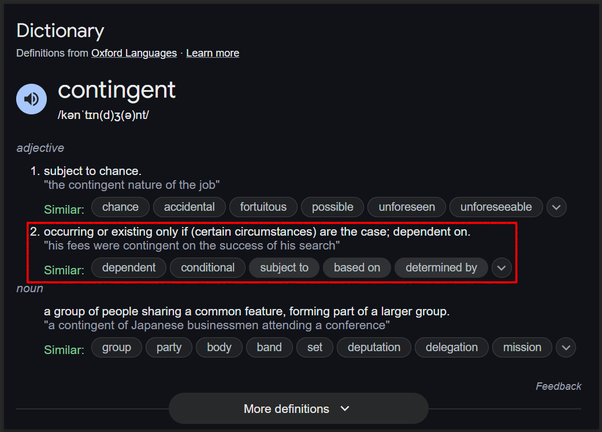
If God is being contingent like the universe, then it is an absurdity as discussed above.
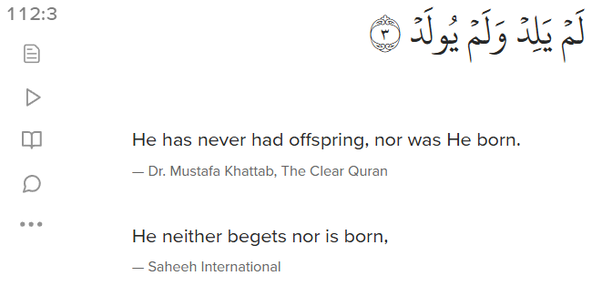
Any God who requires another Lord to be begotten, or needs food, or only specialized in a small field of human’s life or has no attributes is definitely dependent & incompetent.
Self-Sufficient
God must be All-Sufficient, the One upon whom all creatures depend. We are not required to feed God because God should be the one who provides us with the sustenance.
Even if we do it as a gesture of gratitude and thanking God for all the blessing and sustenance given, it’s an insult to God.
Imagine someone poor in a rich country giving a cup of rice to the king.
God is The Creator of this vast universe. There should be ways we can do to express our gratitude to God, other than offering Him food.
Any God who was conceived in a womb, or needs food, or only specialized in a small field of human’s life or has no attributes is definitely dependent & incompetent.
Omnibenevolence (Perfectly Good)
If God exists, He has to be the greatest being; all-powerful, all-knowing, and perfectly good. If He’s not, then who decides morality? Humans? Please. We all know how inconsistent people are. Without God, morality is just a matter of opinion; which means Hitler wasn’t wrong. That’s insane. Real morality needs a fixed foundation—and that foundation shouldn’t be amongst us, but rather transcend beyond our communities.
Now, crybabies ask, “If God is good, why does evil exist?” Simple: FREE WILL. If God “programmed” goodness in our body system, virtue wouldn’t exist. We don’t praise a robot for doing good actions because of following code. Real goodness requires choice, and choice means some idiots will choose evil.
Then there’s the “Why doesn’t God stop the worst stuff?” crowd. Where do you draw the line? Should God stop murder? What about lying? Being rude? Once God starts controlling every little thing, congrats, you just erased free will. And without free will, morality doesn’t exist, and we are just merely robots.

Bottom line: God must be perfectly good, or morality collapses. Evil exists because people suck at making choices, not because God isn’t good. God gives us reason, conscience, and guidance. If we still choose evil, that’s on us.
God’s omnibenevolence isn’t just a nice idea; it’s the only explanation that makes sense.
Omniscience (All-Knowing)
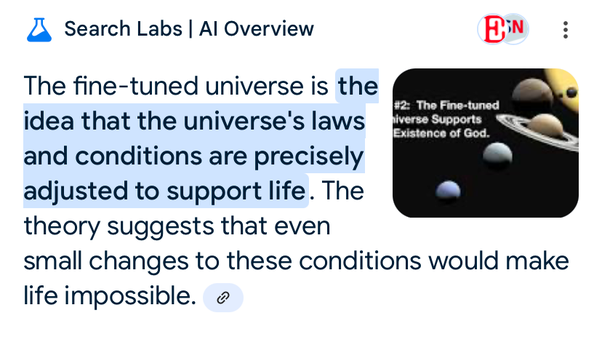
God has to be extremely knowledgeable. To create some gigantic structure like the universe with sophisticated laws and precision requires a huge amount of knowledge.
God also had to be able to govern the universe precisely so that no “accident” could ever happen such as collision between galaxies, planets or something.
Any God who walks on Earth and is clueless about the Hour, or needs food, or only specialized in a small field of human’s life or has no attributes is definitely not The All-Knowing & incompetent.
Omnipotence (All Powerful)
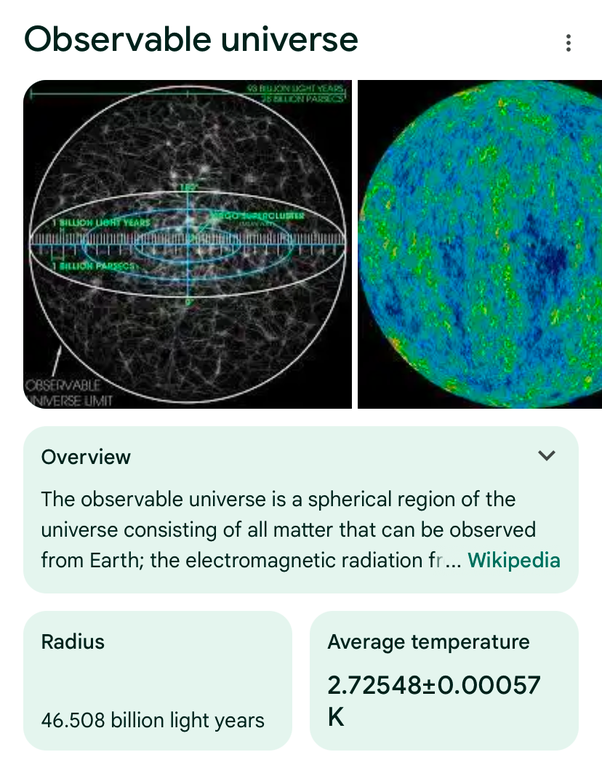
This is our home. It’s crazy huge as you can see the radius stated above. An immense power is indeed required to build such a structure. Not only built, this home of ours is expanding at the speed of light!
For God to be competent in producing something like this, He has to be All-Powerful. Not only this, He should be able to create anything similar like this however He wants.
Any God who walks on Earth then dies, or needs food, or only specialized in a small field of human’s life or has no attributes is definitely weak & incompetent.
So, Who Is This Uncaused Cause The Necessary Being?
Let’s recall what we have got so far in understanding God according to the objectivity (unbiased):
- Ultimate cause
- A supreme
- A necessary being
- Not contingent
- Eternal
- Transcendent
- Omnipotence
- Omniscience
- Omnibenevolence
After all the research and studies, I would like to propose a God which is The Al-Mighty, The Absolute, The First with no beginning, and The Last with no end (Eternal), Allah Subhana Wata’ala.
Ultimate Cause
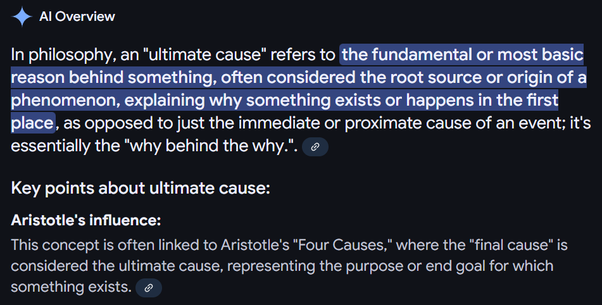
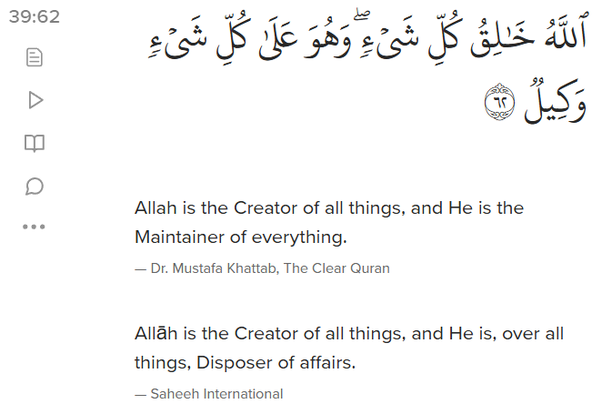
A Supreme
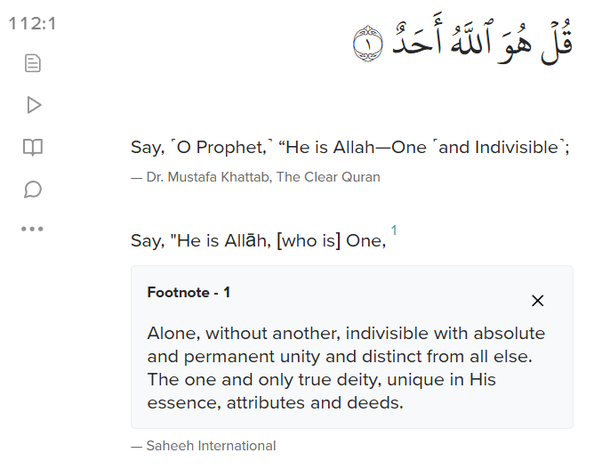
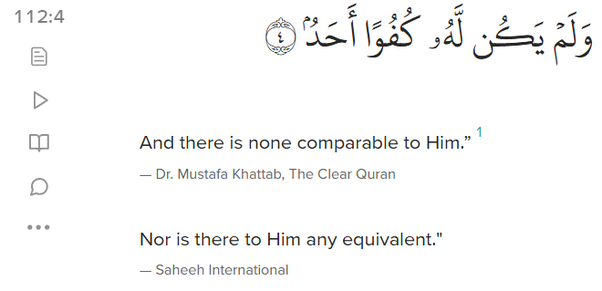
A Necessary Being, Transcended & Eternal
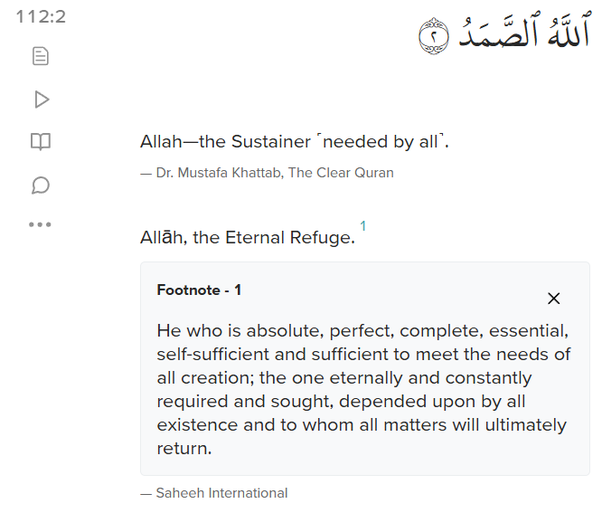
Not Contingent
Omnipotence, Omniscience, Omnibenevolence
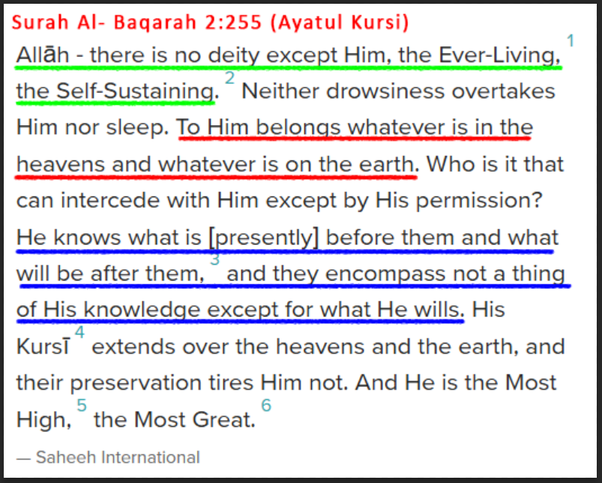
Explanation:
Omnipotence:
- “To Him belongs whatever is in the heavens and whatever is on the earth.”
- “His Throne extends over the heavens and the earth, and their preservation tires Him not.”
This highlights Allah’s absolute power over everything in existence and His effortless control over it.
Omniscience:
- “He knows what is [presently] before them and what will be after them.”
- “They encompass not a thing of His knowledge except for what He wills.”
This demonstrates Allah’s all-encompassing knowledge of everything—past, present, and future.
Omnibenevolence:
- “Allah! There is no deity except Him, the Ever-Living, the Sustainer of [all] existence.”
His role as the Sustainer reflects His goodness and mercy, as He provides and maintains everything in creation.
Refutations
Of course, right?
Surah Al-Kahf (18:54):
“And We have certainly diversified in this Qur’an for the people every [kind of] example. But man has ever been, most of anything, prone to dispute.”
Typical easy refutation made by the opposers of Islam is as follows.
- Allah’s existence is unreal
- Allah’s view on the disbelievers
- Scientific errors
- Alleged immorality in Islamic teaching
- The use of anthropomorphism
I will address just 3 refutations as the rest can be put into another easy category; CONTEXTUAL.
Allah’s existence is unreal
How? It complies with all scientific philosophies and physics laws. Any alternatives are just plain absurdities, didn’t exist in the observable phenomenon, and are nothing but an empty hypothesis.
Allah’s view on the disbelievers
Allah’s existence is not relative to one’s perspective.
Analogy:
The same way we can’t expect our dad to be nice all the time and not slap our face for calling our neighbor “father” while giving him all privileges and neglecting our own biological father, Allah will punish us for worshiping another god. This is the very reason we are here in the first place.
To worship Allah alone.
The use of anthropomorphism
Analogy:

This machine has no eyes but can see, no ears but can listen, no mouth but can speak.
Only a person lacking insight would misinterpret this analogy to attack me and say I’m using similitude to portray Allah as a robot. This is an analogy, genius. You should watch the scientist using a bowling ball as an analogy in explaining gravitational pull in the fabric space. Analogy is a powerful tool to explain complex things.
The argument is this. We are mortals living in this constrained spacetime, while Allah is transcended beyond it. Our perspectives are limited to our experience and what we observe. How do you expect the being that exists beyond our experience and observation to tell what He is capable of doing?
However Allah described His capability to do stuff, the difference between us is laid on Surah Ash-Shuraa.
“There is nothing like unto Him, and He is the All-Hearing, the All-Seeing.”
Al-Quran 42:11
Now that we’ve laid out the reasoning, the logic, and the evidence, the question remains—will you accept it or deny it? The truth does not require your approval to remain the truth, but your response to it determines where you stand.
You may challenge this argument, but do so with reason, not emotion; with evidence, not speculation. However, be warned—truth, when confronted, has a way of dismantling falsehood. If you seek knowledge with sincerity, then let us engage. But if your intent is mere denial, remember: rejection does not erase reality.
Thank you 🥰




 Infiniti Islam
Leave a comment