

The Reality of Our Existence
After battling through life, facing all its difficulties, turbulence, and trials, what is the ultimate destination for us as human beings? Do we simply die and dissolve into the cosmic dust of the universe? Is our fate nothing more than becoming another speck of dust on this planet? That thought alone feels bleak and almost pathetic, doesn’t it?
But Allah ﷻ has not left us in confusion about our true purpose. In the Qur’an, He makes it clear that this worldly life is only a temporary station, a place of testing, not the final abode. Our real and eternal destination is either Paradise or Hell, depending on how we live and what we choose.
Allah says in Al-Quran:
[He] who created death and life to test you [as to] which of you is best in deed – and He is the Exalted in Might, the Forgiving
Surah Al-Mulk (67:2)
This verse reminds us that life itself is a divine examination. Every hardship, every blessing, every moment of ease or struggle is part of that test.
The Prophet ﷺ also said in a hadith recorded in Jami` at-Tirmidhi:
“The world is a prison for the believer and Paradise for the disbeliever.”
This hadith highlights that worldly life is indeed like a prison for the believer. We are bound by divine limits such as certain things are prohibited (haram), and we cannot simply indulge in every desire. In contrast, the disbelievers often live as if there are no boundaries, freely pursuing whatever they wish, especially those immersed in luxurious lifestyles, indulging in women, alcohol, and intoxicants without restraint.
Yet, Allah the Most Merciful also grants His servants moments of joy and blessings even as they undergo the trials of this worldly test.
And this worldly life is not but diversion and amusement. And indeed, the home of the Hereafter – that is the [eternal] life, if only they knew.
Surah Al-Ankabut (29:64):
Here, Allah emphasizes that the glitter of this world is fleeting, while the Hereafter is the true and lasting reality.
Thus, our existence is not meaningless. We are not destined to vanish into cosmic dust. Rather, Paradise is the true final destination for those who believe, strive, and remain steadfast. This world is only the proving ground, the arena where our sincerity and deeds are weighed.
Once we enter Paradise, it will be the finest and sweetest abode. Allah has promised through His Prophet ﷺ :
Allah said: I have prepared for My righteous servants what no eye has seen and no ear has heard, not has it occurred to human heart.
Hadith 37, 40 Hadith Qudsi [1]
Among the many blessings promised in Jannah (Paradise) is the mention of pure companions (often referred to as “virgins”). They are created anew, untouched, pure, devoted and of equal age. The Qur’an says:
Indeed, We have produced them [i.e., the women of Paradise] in a [new] creation, And made them virgins, Devoted [to their husbands] and of equal age.
Surah Al-Waqi’ah 56:35-37
Now sceptics may ask, why mention this?
What This Signifies?
Because what often happens is that when a man attains great wealth and power, he fills his palace with women. History shows this pattern repeated for centuries, recorded in the lives of kings and rulers who treated their palaces as symbols of status, indulgence, and desire; where women were often seen as the ultimate expression of luxury, alongside feasts, music, and endless riches.
Let’s take King Solomon as an example, whose have many wives and concubines shows how human desire and reward often link with status and power.
King Solomon, however, loved many foreign women…..He had seven hundred wives of royal birth and three hundred concubines
Sixty queens there may be, and eighty concubines, and virgins beyond number.
Even King Solomon, renowned for his wisdom and power, is described as surrounding himself with queens, concubines, and countless virgins. His palace thus became the ultimate symbol of abundance and indulgence, where women whether queens of rank, concubines of favor, or virgins of youth, were gathered as emblems of status, desire, and royal grandeur.
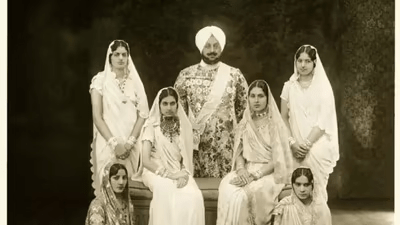
Now, let’s fly to India. In the annals of history, the tales of monarchs and their extravagant lives often capture the imagination. One such figure who epitomizes opulence and grandeur is Maharaja Sir Bhupinder Singh of Patiala.[2]
Meanwhile a poor man, denied honour or lawful means, may resort to rape to let loose his desire.
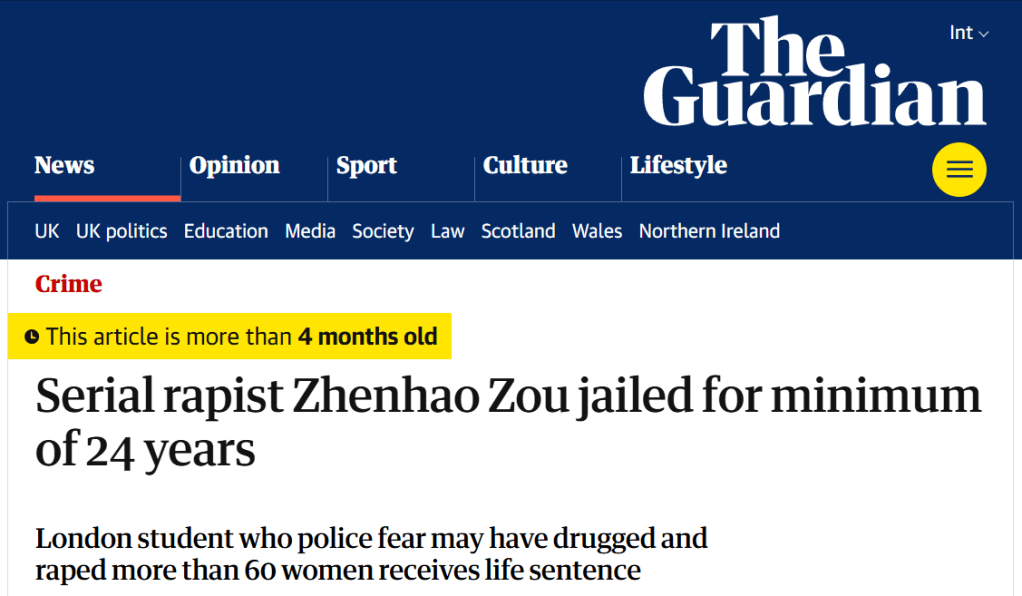
There are many more examples of how women have been sexualized as symbols of power and desire or simply to satisfy the lust. There are also crimes that have been practiced for decades and remain unresolved in some houses of worship of other faiths. Out of respect, and to avoid turning this article into mudslinging, we will not detail those cases here.
The point is clear: when men reach the height of wealth and power, they often regard women as the ultimate desire once every other luxury is within their grasp.
Atheists don’t get to say anything on this issue. They can’t even complain about morality or anything related to it. This is because, since they don’t believe in God, moral values are left to society. If a certain group of people thinks something is acceptable, who are they to disagree?
As The Creator who have created us with all His Wisdom, He know exactly what we want. Life in the Jannah is like a king where we can possess everything we can think of. [3][4][5][6][7] When we have all the luxurious with flowing river underneath our golden palace and best foods that we can never grow weary, SOME men need more women in their life.
The condition of Paradise is completely different from worldly life that we experience and can imagine. Believers will be rich beyond measure, but they will also be pure, free of lust’s torment, fully satisfied without craving what is denied.
Also, Allah will remove jealousy and ill feeling towards other people and everyone will be happy and greet salam (peace) to each other.[8][9] So our question is, are you sure you don’t need more? If the answer still a YES, no problem!
So if we do not wish many women and content with our wife alone, that is fine. Our desire will be honored in full. And if we do wish otherwise and Allah wills, that is honored too.
And therein is whatever the souls desire and [what] delights the eyes, and you will abide therein eternally.
Surah Az-Zukhruf 43:71
Having mentioned the verse, we can also have our pets with us to complete our sense of companionship.
What About the Sisters?
And whoever does righteous deeds, whether male or female, while being a believer – those will enter Paradise and will not be wronged, [even as much as] the speck on a date seed.
Surah An-Nisa’ 4:124
This verse shows that as long as a woman is a believer, she will certainly enter Paradise. It is just that women have different ultimate desires. Men are not their highest interest, unlike the opposite sex, who often regard women as the peak of luxury, status, and pleasure, or whatever else we might call it.
For women, the “ultimate pleasure” may be peace, eternal companionship with loved ones, beauty, joy, and above all, nearness to Allah.
The Qur’an’s language is deliberately open-ended: “whatever the soul desires”. Meaning each believer’s joy is personalized and perfected. Various scholarly discussions have explored the possibilities of what women may desire in Paradise. Those are:
- Family reunion — being with righteous parents, spouses, and children (Qur’an 13:23).
- Eternal youth and beauty — no aging, illness, or fatigue (Qur’an 56:35–37).
- Luxuries and comfort — palaces, gardens, rivers, fine clothing, and jewelry (Qur’an 18:31).
- Spiritual fulfillment — the greatest reward is Allah’s pleasure and the vision of Him (Qur’an 10:26).
The Impact of This Notion (72 Virgins)
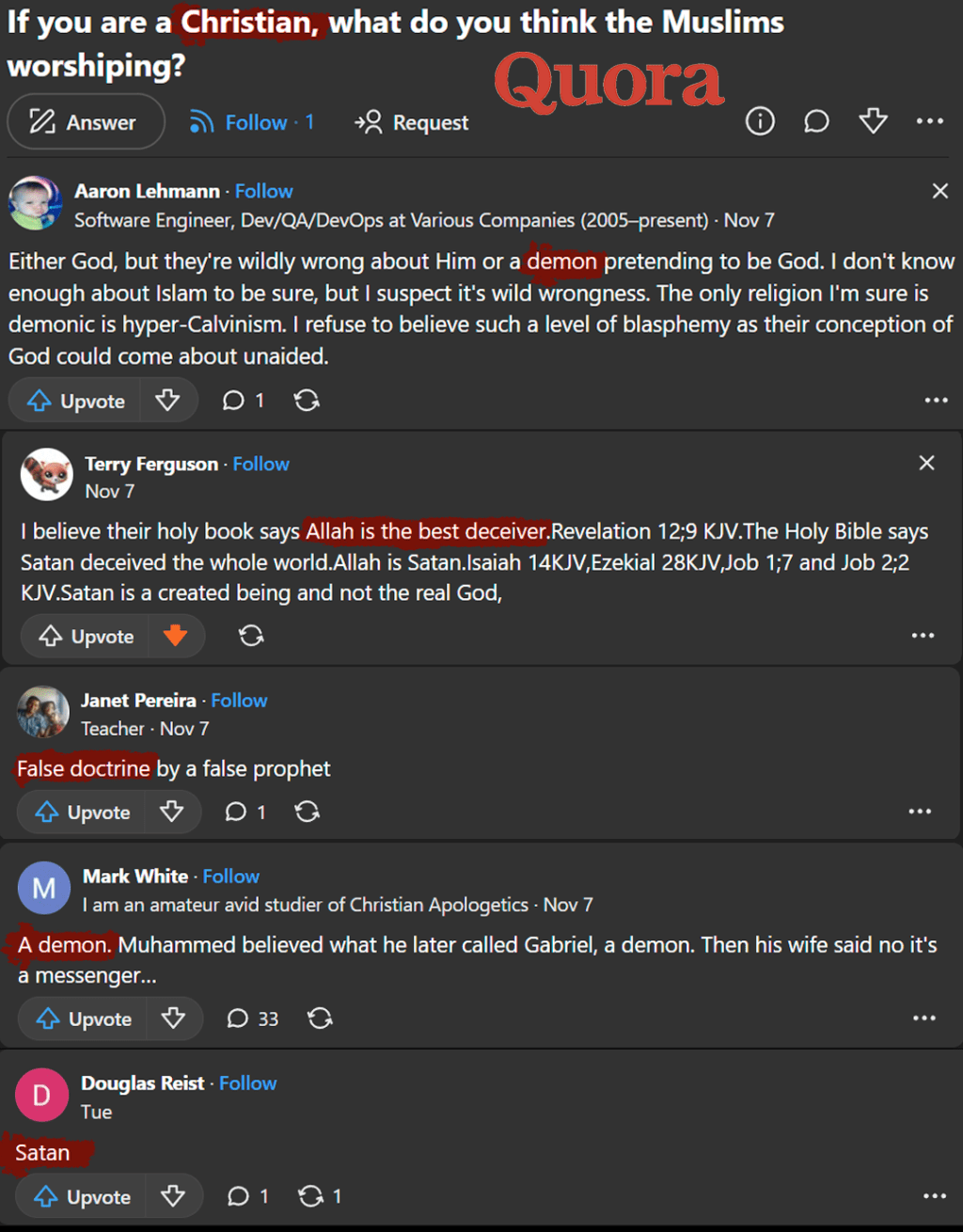
Critics often allege that Islam’s vision of Jannah is overly sexualized, male‑centered, and tainted with notions of immorality.
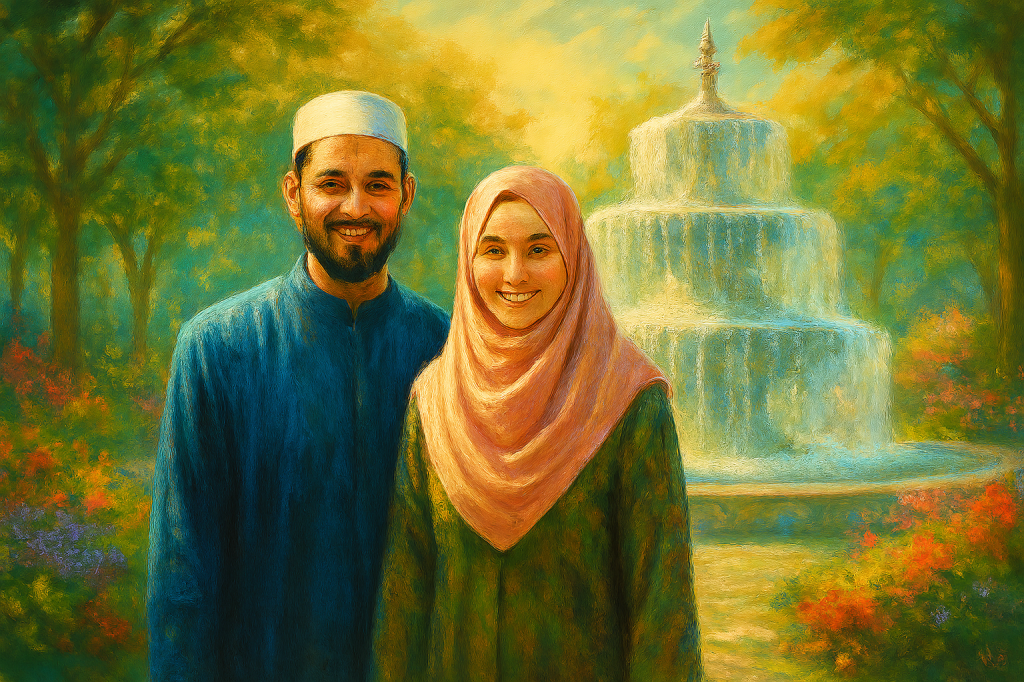
That is because they have blatantly missed the whole point and overlooked the true nature of humankind, especially when it comes to pleasure and desire. It’s all about perspective and recognizing the wisdom behind the rewards.
This reward is the mercy of Allah, the All-Knowing, perfecting His creed and fulfilling His promise. Unlike the tenets of other faiths where the vision of the afterlife is often ambiguous or uncertain, Islam presents a clear and hopeful picture of Paradise. There is no concept of reincarnation or endless cycles of suffering; instead, the believer is promised eternal peace and fulfillment.
For those who remain steadfast in faith and obedience to Allah, their hearts are filled with contentment even in this world, which prevents destructive impulses from taking root. The certainty of Jannah restrains jealousy towards another’s spouse, curbs the temptation to commit immoral acts such as rape or perversion, and shields the believer from arrogance, greed, hatred, and despair. In the Hereafter, these flaws are removed entirely, leaving only purity, joy, and everlasting harmony under the mercy of Allah.
Conclusion
Islam’s vision of Paradise is neither vague nor male‑centered, but a clear promise of eternal peace where every believer’s deepest desires are fulfilled. The certainty of Jannah inspires moral restraint in this life and guarantees perfect harmony in the next, all under the mercy of Allah, the All‑Knowing.
| Linguistics | Astronomy | Biology | Entomology | Genetics | Oceanography | Geology | Physics |
References:
- Quran.com. (n.d.). Tafsir Surah As-Sajdah – 17 – Ibn Kathir [English translation]. Quran.com. Retrieved October 29, 2025, from https://quran.com/32:17/tafsirs/en-tafisr-ibn-kathir
- TOI Lifestyle Desk. (2024, May 22). This king married 10 wives, had 350 concubines and fathered 88 children. The Times of India. https://timesofindia.indiatimes.com/etimes/trending/this-king-married-10-wives-had-350-concubines-and-fathered-88-children/articleshow/110337783.cms
- Al-Baqarah 2:25
- Az-Zumar 39:20
- As-Saffat 37:45–49
- At-Tur 52:17–20
- IslamWeb. (2018, October 7). Number of palaces in Paradise [Fatwa No. 384340]. IslamWeb. https://islamweb.net/en/fatwa/384340/number-of-palaces-in-paradise
- Surah Al-Hijr 15:47
- Surah Al-Ahzab 33:44




 Infiniti Islam