

The core teachings of Jesus (peace be upon him) like love of God, compassion for humanity, humility, justice, and mercy are values that any learned Muslim can immediately recognize as harmonizing with the timeless message carried by our beloved Prophet, Rasulullah (Sallallahu Alaihi Wassalam). Both messengers emphasized devotion to the One True God, the rejection of arrogance and oppression, and the call to moral integrity in every aspect of life.
For Muslims, this alignment is not surprising, because the Qur’an itself affirms that Jesus was among the honored prophets sent to guide mankind, and that his mission was part of the same divine stream culminating in the final revelation to Muhammad (peace and blessings be upon him). Thus, when we study the ethical and spiritual principles taught by Jesus, we see not contradiction but continuity — a shared thread of tawhid (oneness of God), righteousness, and service to others that unites the prophetic tradition across time.
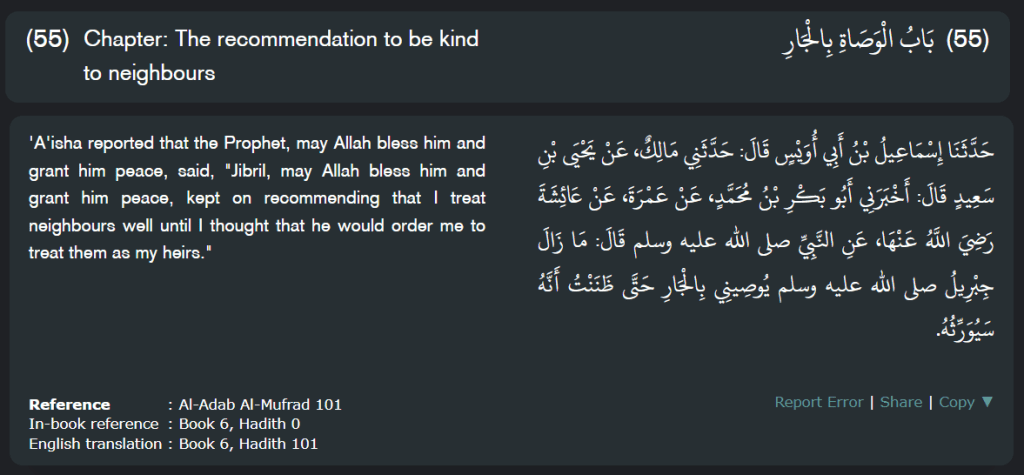
Both prophets called mankind to worship the One God as affirmed in Mark 12 and echoed in Surah Al-Ikhlas. Jesus emphasized love for the neighbour in Matthew 22, and Rasulullah reinforced the same principle in a Hadith, urging believers to treat neighbours as if they were heirs. | https://sunnah.com/adab:101
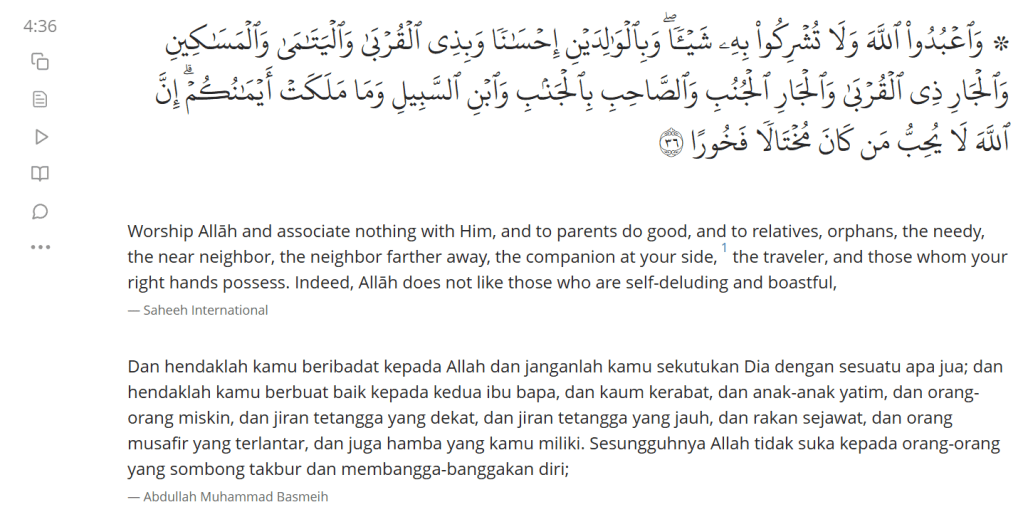
Likewise, Jesus taught the Golden Rule in Matthew 7:12, while the Qur’an instructed kindness toward parents, relatives, orphans, the needy, neighbours, and travelers in Surah An-Nisa (4:36).
Forgiveness is central in both traditions. Jesus highlighted it in Matthew 6:14, and Rasulullah consistently commanded remission in disputes involving retaliation | https://sunnah.com/abudawud:4497

The Prophet also embodied the notion of servant-leadership, as seen in Hadith | https://sunnah.com/shahwaliullah40:34

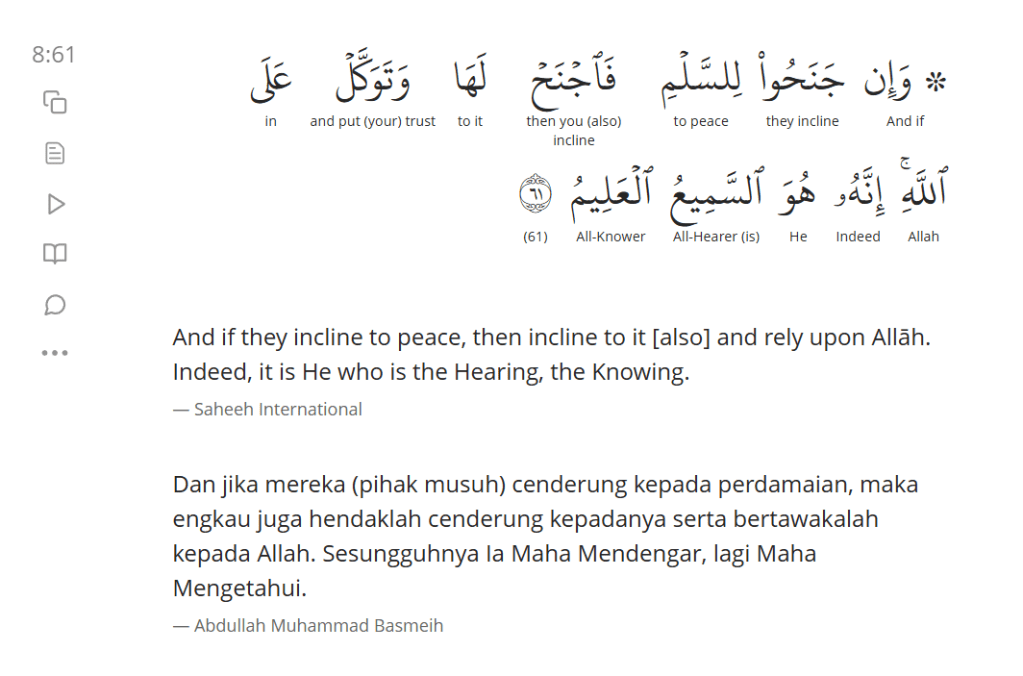
In times of hostility, the teaching of Jesus to love the enemy and turn the other cheek remains vital. Rasulullah laid down a critical code of conduct in war which when the enemy incline for peace, it has to be granted as laid out in Surah Al-Anfal (8:61)
These principles of mercy and restraint stand in stark contrast to the indiscriminate violence witnessed in modern conflicts, where civilians, journalists, and children are deliberately targeted, then use the scripture to justify it.
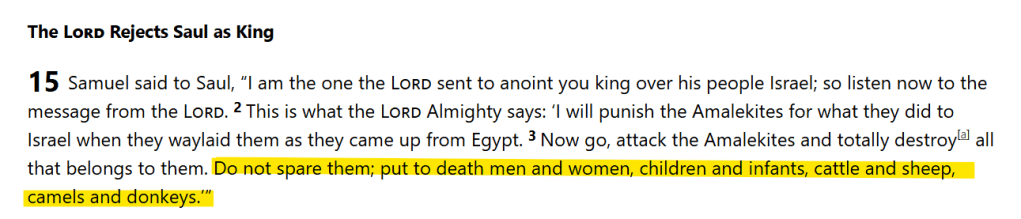
In the end, the lives and teachings of Jesus (peace be upon him) and Rasulullah (Sallallahu Alaihi Wassalam) remind us that true faith is measured not by empty slogans or selective citations, but by the embodiment of mercy, justice, and humility in action. Both prophets called humanity to worship the One God and to reflect His attributes through compassion, forgiveness, and restraint. When scripture is weaponized to justify cruelty, it betrays the very essence of the prophetic mission.
For Muslims, recognizing the harmony between the Gospel’s moral imperatives and the Qur’an’s divine guidance is not merely an exercise in interfaith dialogue but it is a reaffirmation that all prophets were sent with a consistent call: to uphold tawhid, to honor human dignity, and to resist oppression. In a world scarred by violence and division, returning to these shared principles offers a path toward healing, justice, and peace.




 Infiniti Islam