

The Fundamentals of Doctrine and Belief
Islam is a religion rooted in absolute monotheism, emphasizing the oneness of Allah and complete submission to Him. The doctrines and fundamental beliefs in Islam comprise several key elements that serve as a guide for every Muslim’s life.
1. Pillars of Faith (Arkan al-Iman):
The Pillars of Faith consist of six essential principles that every Muslim must believe in:
- Belief in Allah: Affirming the oneness of Allah as the only deity worthy of worship, with no partners or equals.
- Belief in Angels: Believing in the existence of angels as creations of Allah who carry out various tasks assigned by Him.
- Belief in the Scriptures: Acknowledging that Allah has revealed holy scriptures as guidance for humanity through His messengers, including the Torah, Psalms, Injil, and the Quran as the final and ultimate revelation.
- Belief in the Messengers: Recognizing and honoring the prophets and messengers sent by Allah to guide humanity, with Prophet Muhammad (peace be upon him) as the final messenger.
- Belief in the Day of Judgment: Believing in life after death, where every individual will be held accountable and rewarded or punished based on their deeds in this world.
- Belief in Divine Decree (Qada’ and Qadar): Having faith that everything happens according to Allah’s decree and destiny, while acknowledging human free will to strive and make choices.
2. Pillars of Islam:
The Pillars of Islam consist of five core practices that form the foundation of a Muslim’s life:
- Shahada (Declaration of Faith): Proclaiming with the tongue and affirming with the heart that “There is no deity worthy of worship except Allah, and Muhammad is the messenger of Allah.”
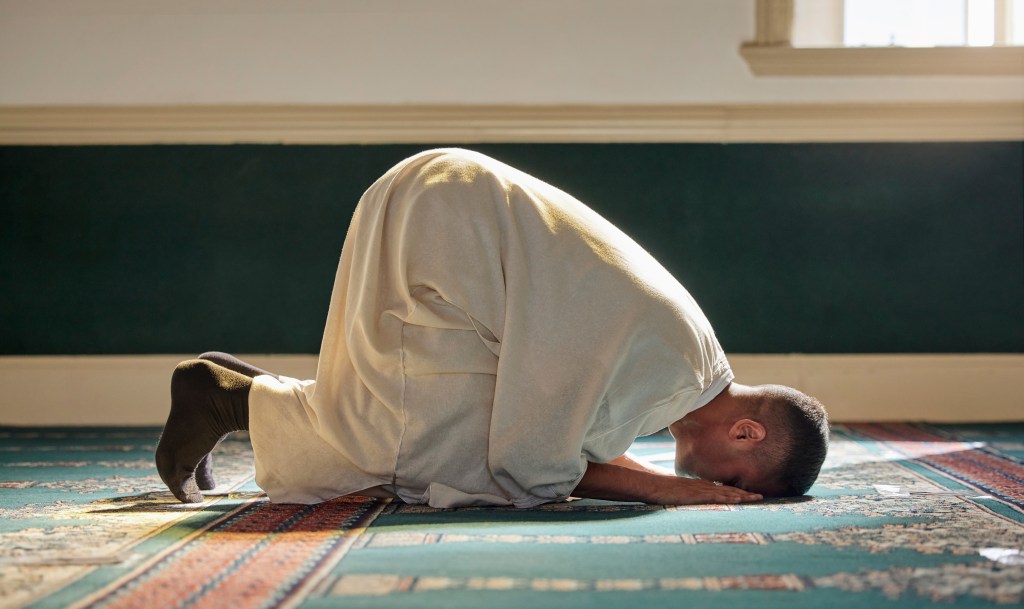
- Salah (Prayer): Establishing the five daily prayers as an expression of obedience and a direct connection with Allah.
- Zakat (Mandatory Charity): Allocating a specific portion of wealth to those eligible, as an act of gratitude and purification of wealth.
- Fasting in Ramadan: Abstaining from food, drink, and other invalidating acts from dawn to sunset throughout the month of Ramadan as spiritual training and a means to strengthen piety.
- Hajj (Pilgrimage): Performing the pilgrimage to the Kaaba in Mecca, once in a lifetime for those who are able, as the pinnacle of devotion and a symbol of unity among Muslims.
3. Morals and Ethics:
Islam places a strong emphasis on developing noble character and high ethical standards in interactions with other people and all creations. Values such as honesty, justice, patience, compassion, and humility are integral to Islamic teachings and must be practiced in daily life.
The sayings (hadith) and traditions (sunnah) of the Prophet Muhammad (peace be upon him) serve as a guide and model for all Muslims to emulate.
4. Sharia (Islamic Law):
Sharia encompasses the regulations and laws ordained by Allah to govern individual and societal life. It covers various aspects, including:
- Worship (Ibadah),
- Social and economic transactions (Muamalat),
- Marriage (Munakahat), and
- Criminal justice (Jinayat).
The primary aim of Sharia is to ensure justice, welfare, and harmony within society.
5. Purpose of Life and Devotion:
According to Islamic teachings, the primary purpose of human life is to worship and devote oneself entirely to Allah. This includes obeying His commands, avoiding His prohibitions, and striving to attain His pleasure in every aspect of life.
By understanding and internalizing these doctrines and fundamental beliefs, a Muslim can shape a life aligned with Islamic teachings, achieving happiness in this world and the hereafter.
Fundamentals of Believe | Pillars of Faith | Pillars of Islam | Al-Quran | History
 Infiniti Islam